
Visivra Side Effects: What You Need to Know
An honest look at safety concerns, medication interactions, and who should avoid this eye health formula.
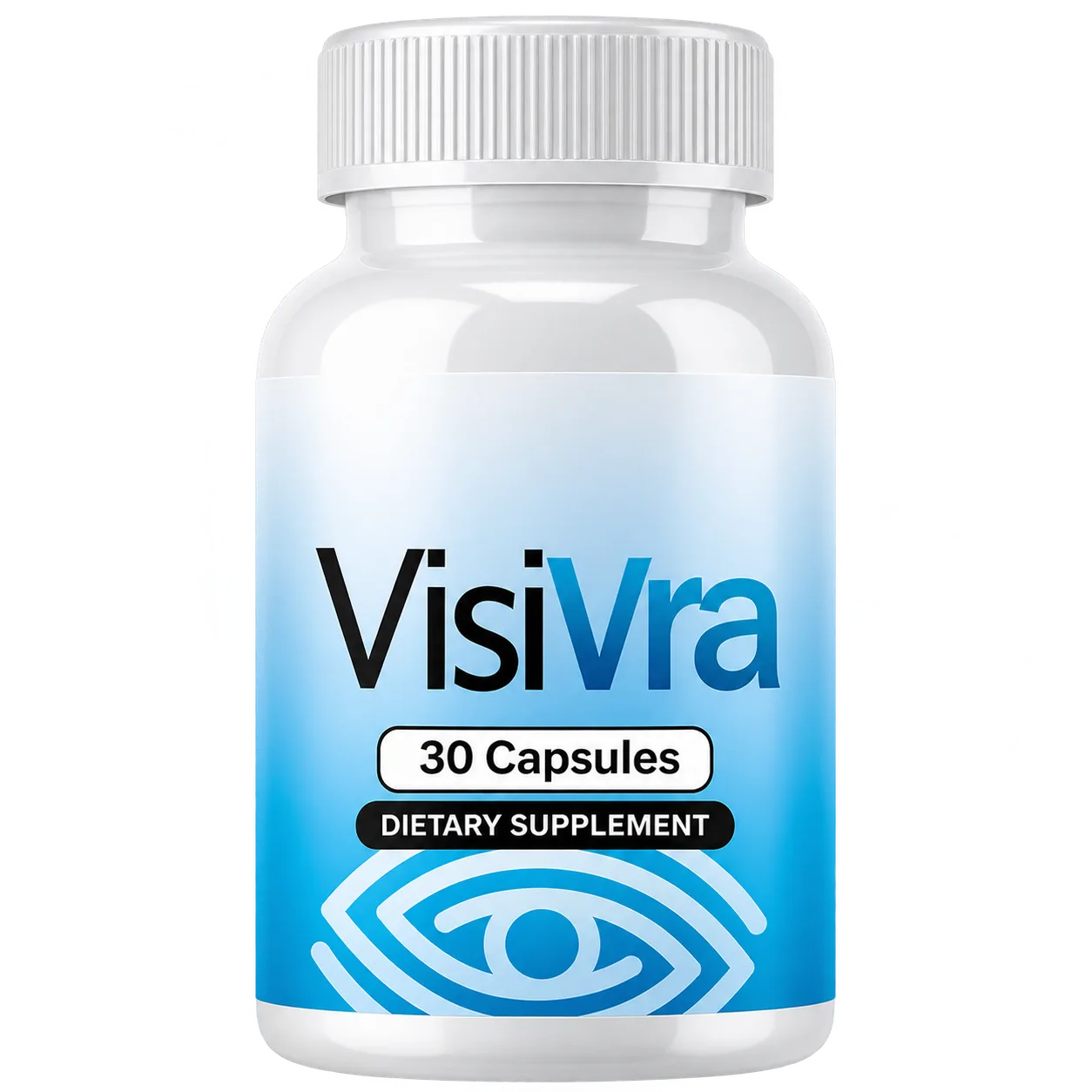
Eye health supplements are among the better-tolerated categories of dietary supplements. Lutein, Zeaxanthin, and the antioxidant vitamins in Visivra have established safety profiles from decades of research, including the large AREDS and AREDS2 trials. That said, every ingredient carries context-dependent risks — especially when stacked with other supplements or medications. Here's what to watch for.
Quick Verdict: Visivra uses well-established eye health nutrients with decades of safety data from clinical research, including the AREDS and AREDS2 trials. The ingredients are generally well-tolerated at standard doses. As with any supplement, be mindful of Vitamin A intake if you also take a multivitamin, and consult your doctor if you use blood thinners. The money-back guarantee lets you evaluate how well you tolerate the formula personally.
Generally Mild & Temporary Effects
Most people taking eye health supplements with these ingredients report no side effects at all. When effects do occur, they tend to be mild and digestive in nature:
Mild nausea or stomach upset. Zinc is the most common culprit. At doses above 40mg daily, zinc frequently causes nausea, especially on an empty stomach. Taking Visivra with food typically resolves this.
Fishy aftertaste or burps. If Visivra contains fish-derived omega-3s, some users experience a fishy aftertaste or burps. Taking the supplement with meals or choosing an enteric-coated omega-3 reduces this effect.
Yellow-orange skin tint (carotenodermia). High intake of carotenoids like Lutein can cause a harmless yellow-orange discoloration of the skin, particularly palms and soles. This is cosmetic, reversible upon reducing intake, and not dangerous.
Mild headache. Occasionally reported during the first few days of supplementation. Usually resolves with continued use and adequate hydration.
Serious Concerns: Vitamin A Toxicity
Critical warning: Vitamin A is fat-soluble and accumulates in the liver. If you already take a multivitamin or other supplement containing Vitamin A, adding Visivra could push your total intake above safe limits.
The risk: Preformed Vitamin A (retinol) has a tolerable upper intake level of 3,000mcg RAE (10,000 IU) per day for adults. Exceeding this chronically can cause liver damage, headaches, nausea, skin changes, joint pain, and in severe cases, intracranial pressure increases.
Pregnancy warning: Excess Vitamin A during pregnancy is teratogenic — it can cause birth defects. Pregnant women should not take supplements containing preformed Vitamin A without medical supervision.
How to check your intake: Add up the Vitamin A from all your supplements (multivitamin, eye formula, any fortified foods). If Visivra's Vitamin A content is not disclosed, contact the manufacturer before combining it with other Vitamin A-containing supplements.
Medication Interactions
Blood thinners (warfarin, aspirin, heparin). Both Omega-3 fatty acids and Vitamin E have mild anticoagulant (blood-thinning) effects. Individually, these effects are modest at supplemental doses. Combined with prescription blood thinners, they could increase bleeding risk. Inform your doctor if you take blood thinners.
Cholesterol medications (statins). Some research suggests that antioxidant supplements (Vitamin C, Vitamin E) may slightly reduce the effectiveness of certain statins by interfering with the HDL-raising effect. The clinical significance is debated, but if you take statins, discuss antioxidant supplementation with your prescriber.
Zinc and antibiotics. Zinc can reduce the absorption of tetracycline and quinolone antibiotics. If you're on these antibiotics, separate zinc-containing supplements by at least 2 hours.
Zinc and copper. High-dose zinc (above 40mg daily) can interfere with copper absorption over time, potentially leading to copper deficiency. The original AREDS formula included copper supplementation alongside its 80mg zinc dose for this reason.
Who Should Avoid Visivra
✗ People taking blood thinners — consult your doctor first due to omega-3 and Vitamin E anticoagulant effects
✗ Pregnant or nursing women — Vitamin A toxicity risk; insufficient safety data for the specific formula
✗ People already taking high-dose Vitamin A supplements — risk of exceeding the tolerable upper limit
✗ People on tetracycline or quinolone antibiotics — zinc reduces absorption
✗ Smokers or recent former smokers — if the formula contains beta-carotene (not confirmed), high-dose beta-carotene increases lung cancer risk in smokers
✗ Anyone under 18 without pediatric guidance
✗ People scheduled for surgery within 2 weeks — omega-3s and Vitamin E may increase bleeding risk
What Visivra Does NOT Contain (Based on Available Information)
✓ No stimulants — no caffeine, no ephedrine
✓ No synthetic hormones
✓ No prescription-drug compounds
✓ Capsule form — generally easier to tolerate than tablets
The formula focuses on well-established eye health nutrients rather than exotic or experimental ingredients, which generally means a lower side effect profile compared to supplements with novel compounds.
Frequently Asked Questions
Does Visivra have side effects?
Eye health supplements with Lutein, Zeaxanthin, vitamins, and zinc are generally well-tolerated. The most common mild effects are nausea from zinc (take with food), fishy aftertaste from omega-3s, and in rare cases, yellow-orange skin tint from carotenoids. Serious concerns include Vitamin A toxicity if combined with other supplements and blood-thinning interactions.
Can I take Visivra with blood thinners?
Consult your doctor. Omega-3 fatty acids and Vitamin E both have mild anticoagulant effects. Combining them with warfarin, aspirin, heparin, or other blood thinners could increase bleeding risk. Your doctor can assess whether the combination is safe for your situation.
Is Visivra safe for daily use?
For most healthy adults not taking blood thinners or high-dose Vitamin A supplements, eye health formulas with these ingredients are generally safe at recommended doses. Because Visivra doesn't disclose individual ingredient amounts, verifying cumulative safe intake alongside other supplements is difficult. If in doubt, ask the manufacturer for a full Supplement Facts label.
Visivra is a dietary supplement and has not been evaluated by the FDA. Not intended to diagnose, treat, cure, or prevent any disease.