
How Long Does Visivra Take to Work?
A research-backed timeline for eye health supplementation — what to expect at each stage.
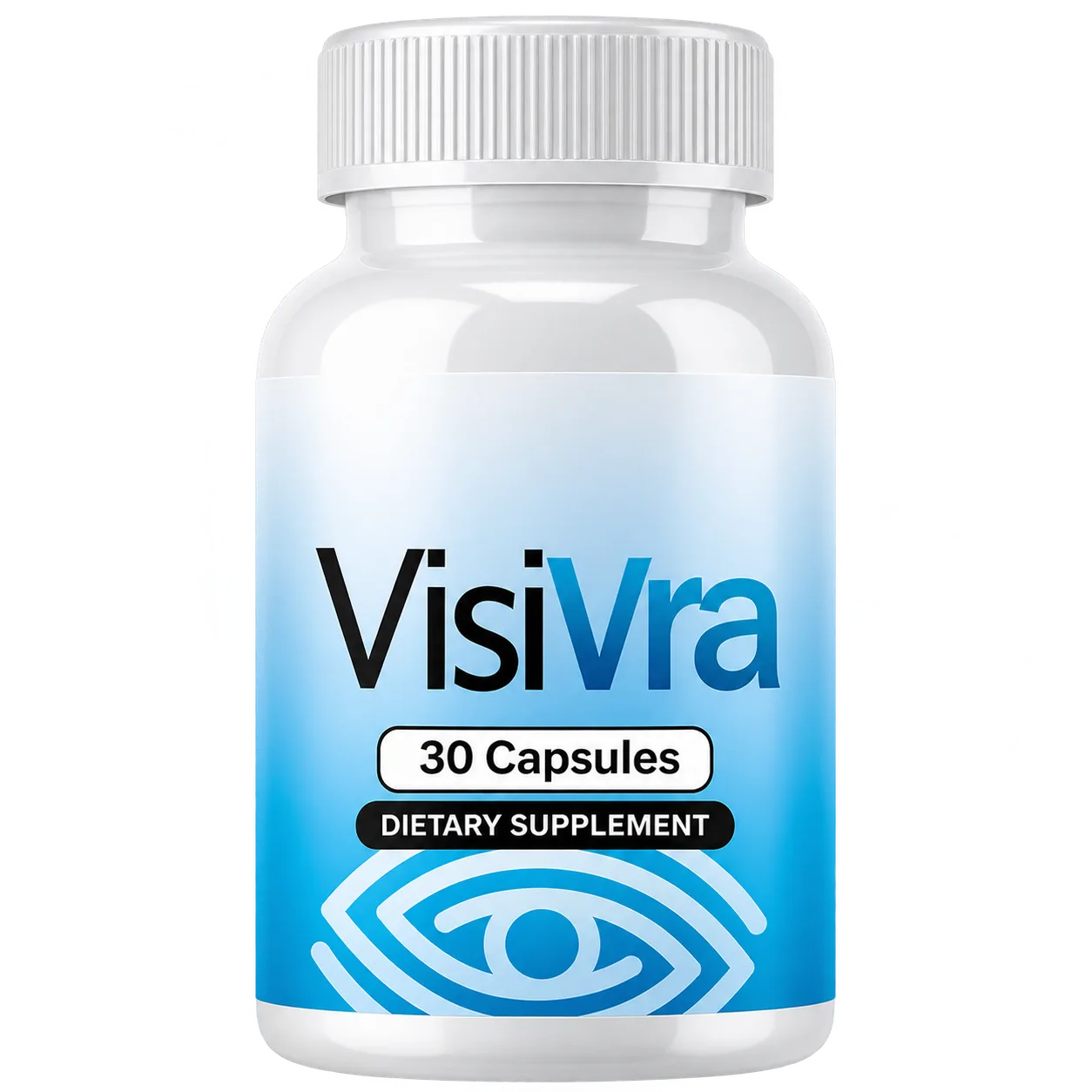
Eye health supplements work fundamentally differently from medications. There is no "fast-acting" eye vitamin. The key ingredients — Lutein, Zeaxanthin, and antioxidant vitamins — work by gradually accumulating in the macula and neutralizing oxidative damage over time. Setting realistic expectations is essential.
Quick Verdict: Based on published Lutein/Zeaxanthin research, macular pigment density improves over 2–3 months of consistent use. Many users report noticeable improvements in eye comfort and reduced screen fatigue around 4–8 weeks. The money-back guarantee aligns with this evaluation window — enough time to see real results on your own vision before committing.
The Realistic Timeline
What's happening: Your body begins absorbing and processing the fat-soluble nutrients. Lutein and Zeaxanthin enter the bloodstream and begin transport to the retina. Blood levels of these carotenoids start rising.
What you'll feel: Nothing noticeable. Any perceived changes at this stage are likely placebo. Some people experience mild digestive adjustment (nausea from zinc, fishy taste from omega-3s), which typically resolves within days.
What's happening: Lutein and Zeaxanthin are accumulating in the macula. Macular pigment optical density (MPOD) is beginning to increase, though not yet at measurable levels in most people. Antioxidant levels in eye tissues are building up.
What you'll feel: Some users report reduced eye fatigue during extended screen time. This is plausible — Lutein and Zeaxanthin filter high-energy blue light — but difficult to separate from placebo at this early stage.
What's happening: MPOD increases become measurable via heterochromatic flicker photometry (a clinical test). Research shows significant MPOD increases at the 2–3 month mark with consistent Lutein supplementation at 10mg+/day.
What you'll feel: This is the earliest reasonable assessment point. Reduced glare sensitivity, improved contrast perception, and less eye strain during screen use are the most commonly reported subjective changes. Not everyone notices these — the effects can be subtle.
What's happening: MPOD continues building. The protective macular pigment layer is thickening. Antioxidant protection in the retina is at sustained levels. Omega-3 integration into retinal cell membranes is well established.
What you'll feel: If the supplement is working for you, effects should be more noticeable: improved comfort during night driving, less screen-related eye fatigue, better adaptation between indoor and outdoor lighting. If you notice nothing by month 6, the supplement may not be effective for your situation.
What's happening: Long-term macular protection. The AREDS2 trial showed reduced risk of AMD progression over 5 years of supplementation. Eye health supplementation is a long game — the primary benefit is protection against age-related decline.
What you'll feel: Maintained eye health rather than dramatic improvement. The goal shifts from "getting better" to "staying where you are" — slowing age-related changes rather than reversing them.
Why It Takes So Long
Lutein and Zeaxanthin are fat-soluble carotenoids. They don't work like water-soluble vitamins that reach effective levels quickly. They must be absorbed from the gut, transported via lipoproteins in the blood, and selectively deposited in the macula of the retina. This process takes weeks to months.
Macular pigment is a physical structure. It's a layer of carotenoid molecules that physically filters blue light and scavenges free radicals. Building this layer is comparable to building bone density — it's a gradual, cumulative process that doesn't happen overnight.
Antioxidant protection is preventive, not corrective. Vitamins C, E, and Zinc protect retinal cells from oxidative damage. This is like sunscreen for your cells — the benefit is in preventing damage, not repairing it. You won't "feel" prevention happening.
Factors That Affect Your Timeline
Your baseline MPOD level. People with low starting macular pigment (those who eat few leafy greens) tend to see the most noticeable changes from supplementation. If your diet is already rich in Lutein, the incremental benefit of a supplement is smaller.
Consistency. Daily supplementation is essential. Skipping doses slows the accumulation process. Taking Visivra with a fat-containing meal improves absorption of Lutein, Zeaxanthin, and Vitamin A.
Your age and eye health status. Older adults and those with early AMD may notice more perceptible changes because their starting point involves more functional limitation.
Ingredient doses. The timeline above is based on research using 10mg+ Lutein daily. If Visivra contains less, the timeline could be longer. Because doses aren't disclosed, this is an unknown variable.
Smoking status. Smoking significantly increases oxidative stress in the retina, potentially outpacing the protective effects of supplementation. If you smoke, stopping smoking provides far greater eye health benefit than any supplement.
Red Flags: What No Eye Supplement Can Do
✗ Restore lost vision. No supplement reverses existing vision loss from advanced macular degeneration or other conditions. Supplements may slow further decline, not reverse what's already happened.
✗ Replace prescription treatment. If your eye doctor has prescribed medication or recommended procedures, supplements are complementary, not replacements.
✗ Work in days or even weeks. Any product claiming rapid vision improvement is overpromising. The biology doesn't support it.
✗ Fix all eye problems. Eye health supplements primarily target macular health and oxidative protection. They don't address refractive errors (needing glasses), cataracts, glaucoma, or other structural conditions.
Frequently Asked Questions
How long does Visivra take to work?
Based on Lutein and Zeaxanthin research, macular pigment changes become measurable after 2–3 months of consistent daily supplementation. Subjective improvements like reduced screen fatigue may appear around 4–8 weeks for some users, but meaningful clinical changes require longer. The AREDS2 trial measured outcomes over 5 years.
Will I notice a difference in the first week?
Probably not. Lutein and Zeaxanthin are fat-soluble carotenoids that accumulate gradually in the macula over weeks to months. Unlike stimulant-based supplements, eye health nutrients don't produce noticeable effects in the first few days. Any first-week changes are likely placebo.
How long should I take Visivra before deciding if it works?
Give it at least 60–90 days of consistent daily use. This aligns with the minimum timeframe for Lutein and Zeaxanthin to measurably increase macular pigment density. If you notice no subjective improvement after 3 months, the formula may not be effective for your situation. Check whether the refund window covers this evaluation period.
Visivra is a dietary supplement and has not been evaluated by the FDA. Not intended to diagnose, treat, cure, or prevent any disease.