Visivra Ingredients: The Full 8-Ingredient Breakdown
Eight nutrients targeting macular health, blue light protection, and long-term vision support.
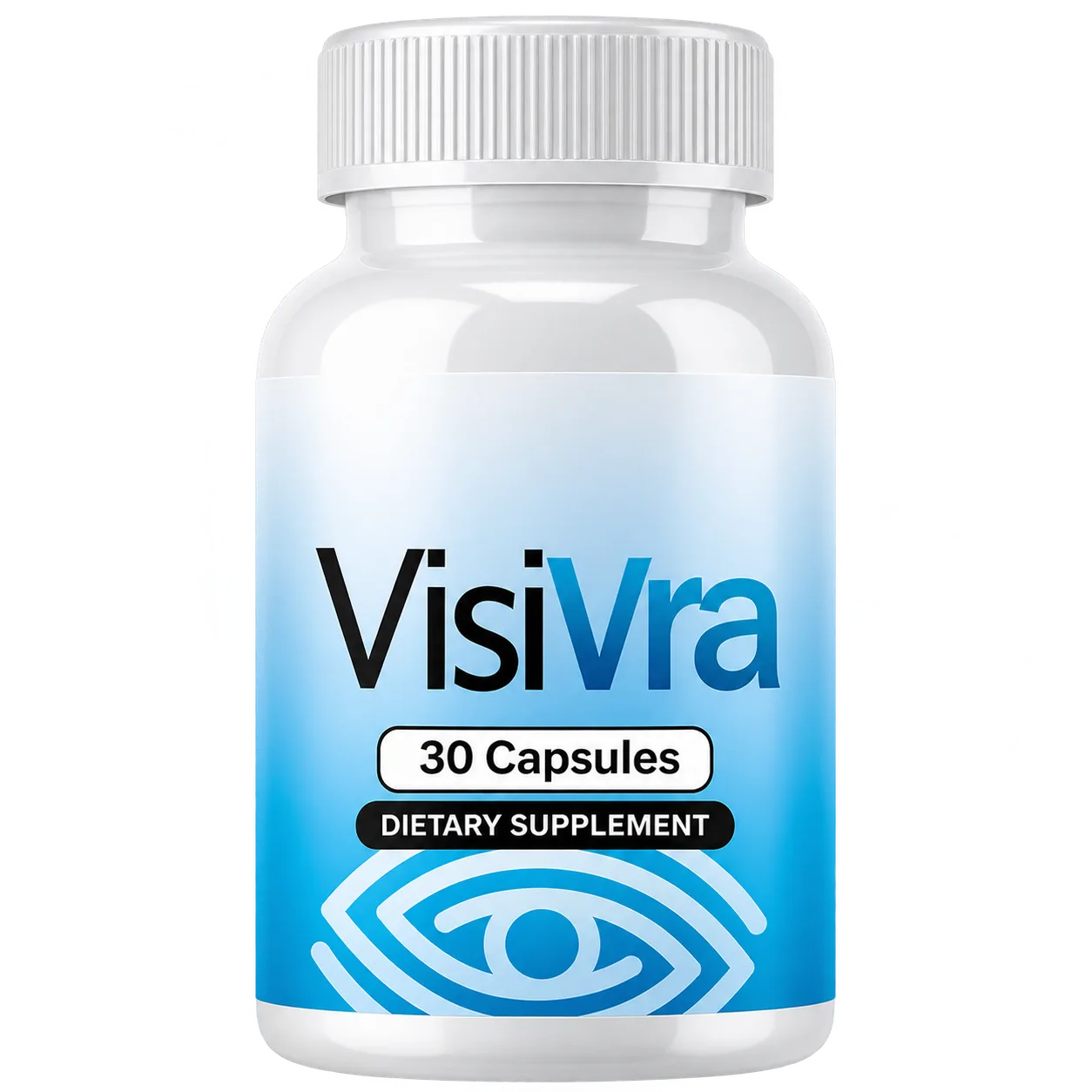
Visivra takes a multi-nutrient approach to eye health: eight ingredients spanning carotenoids, antioxidant vitamins, minerals, herbal extracts, and essential fatty acids. Several of these nutrients have been studied in landmark clinical trials like AREDS2. The question is whether Visivra delivers them at effective doses — and that's where the picture gets less clear. Here's the full breakdown.
Quick Verdict: Visivra contains eight well-known eye health nutrients, anchored by Lutein and Zeaxanthin — the two carotenoids validated by the AREDS2 trial. Supporting ingredients include Bilberry Extract, Zinc, Omega-3s, and vitamins A, C, and E. The formula covers all major pathways for eye protection: macular pigment density, antioxidant defense, and anti-inflammatory support. The money-back guarantee lets you evaluate the results on your own vision before committing.
The Science of Eye Health: How These Ingredients Work
The retina — particularly the macula at its center — is one of the most metabolically active tissues in the body. It processes light signals constantly and is exposed to oxidative stress from blue light, UV radiation, and normal metabolic byproducts. Over time, this oxidative damage accumulates and may contribute to age-related changes in vision.
Visivra's formula targets this vulnerability from multiple angles:
Macular pigment layer: Lutein and Zeaxanthin are the only carotenoids that concentrate in the macula, forming a protective pigment layer that filters high-energy blue light before it reaches the photoreceptors.
Antioxidant defense: Vitamins C and E, along with Zinc, support the retina's antioxidant defense system, helping neutralize free radicals generated by light exposure and cellular metabolism.
Structural support: Omega-3 fatty acids (particularly DHA) are a major structural component of retinal cell membranes, while Vitamin A is essential for the visual cycle that converts light into neural signals.
Microcirculation: Bilberry Extract contains anthocyanins that may support blood flow to the small capillaries serving the retina.
Ingredient #1: Lutein
What it is: A carotenoid pigment found naturally in dark leafy greens (kale, spinach), egg yolks, and marigold flowers. Lutein is one of only two carotenoids that selectively accumulate in the macula of the eye.
How it works: Lutein absorbs blue light wavelengths (400–500nm), acting as a natural sunscreen for the retina. It also functions as an antioxidant within the macular tissue, neutralizing reactive oxygen species generated by light exposure.
Published research: The AREDS2 (Age-Related Eye Disease Study 2) — one of the largest and most rigorous clinical trials on eye health — used 10mg of Lutein daily and found it effective as a replacement for beta-carotene in the original AREDS formula. Multiple observational studies associate higher dietary lutein intake with reduced risk of age-related macular degeneration (AMD). The clinically studied dose is consistently 10mg daily.
Worth noting: The AREDS2 trial validated 10mg Lutein daily. The formula is built around the same research-backed nutrients used in that landmark study. The money-back guarantee lets you test whether the formula delivers noticeable results for your vision.
Ingredient #2: Zeaxanthin
What it is: A carotenoid closely related to Lutein, also found in leafy greens, corn, and orange peppers. While Lutein concentrates at the edges of the macula, Zeaxanthin dominates the very center (the fovea) — the area responsible for sharp, detailed vision.
How it works: Like Lutein, Zeaxanthin filters blue light and provides antioxidant protection. Its concentration at the foveal center means it protects the precise area you use for reading, recognizing faces, and driving.
Published research: AREDS2 used 2mg of Zeaxanthin alongside 10mg of Lutein. Studies show that the Lutein-Zeaxanthin combination increases macular pigment optical density (MPOD), which is associated with better contrast sensitivity and reduced glare sensitivity. Research suggests both carotenoids work synergistically — together they provide broader protection than either alone.
Ingredient #3: Vitamin A
What it is: An essential fat-soluble vitamin available in preformed form (retinol, from animal sources) or as provitamin A carotenoids (beta-carotene, from plants). Visivra likely uses a preformed or mixed form.
How it works: Vitamin A is fundamental to the visual cycle. In the retina, it combines with the protein opsin to form rhodopsin — the photopigment in rod cells that enables vision in dim light. Without adequate Vitamin A, night vision deteriorates first, followed by more severe changes.
Published research: Vitamin A deficiency is the leading preventable cause of blindness worldwide. For people with adequate dietary intake, supplementation provides no additional benefit. The AREDS original formula included beta-carotene but AREDS2 replaced it with Lutein/Zeaxanthin due to increased lung cancer risk in smokers taking beta-carotene.
Safety note: Preformed Vitamin A (retinol) can be toxic at high doses. The tolerable upper intake level is 3,000mcg RAE (10,000 IU) daily for adults. Excess Vitamin A is stored in the liver and can cause liver damage, headaches, and birth defects during pregnancy. If you already take a multivitamin containing Vitamin A, check total intake before adding Visivra.
Ingredient #4: Bilberry Extract
What it is: An extract from the European bilberry (Vaccinium myrtillus), a close relative of the blueberry. Bilberry contains high concentrations of anthocyanins — flavonoid pigments that give the berry its dark purple color.
How it works: Anthocyanins have antioxidant and anti-inflammatory properties. In the context of eye health, bilberry extract is believed to support microcirculation — blood flow through the tiny capillaries that supply the retina. Some research suggests anthocyanins may also help regenerate rhodopsin, supporting visual adaptation to darkness.
Published research: Bilberry has a long traditional history for eye health, but clinical evidence is mixed. A systematic review found some evidence for improvements in visual fatigue and contrast sensitivity, but most studies were small, short-term, and used varying extracts and doses. The evidence is strongest for temporary relief of visual fatigue from screen use. Doses in studies typically range from 160–480mg of standardized extract daily.
Ingredient #5: Zinc
What it is: An essential trace mineral involved in over 300 enzymatic reactions in the body. The retina and choroid (the vascular layer beneath the retina) contain some of the highest zinc concentrations of any tissue.
How it works: Zinc plays multiple roles in eye health: it helps transport Vitamin A from the liver to the retina, supports the function of antioxidant enzymes (superoxide dismutase), and is involved in the structural integrity of proteins in the retina and RPE (retinal pigment epithelium).
Published research: The original AREDS study used 80mg of zinc oxide and found it significantly reduced progression to advanced AMD. AREDS2 tested a lower dose of 25mg and found comparable results with fewer gastrointestinal side effects. Zinc is one of the most evidence-based nutrients for macular health, particularly for people at risk of AMD.
Ingredient #6: Omega-3 Fatty Acids
What it is: Essential fatty acids (primarily EPA and DHA) found in fatty fish, fish oil, and algal oil. DHA is a major structural component of the retina.
How it works: DHA makes up approximately 60% of the polyunsaturated fatty acids in the retina's photoreceptor outer segments. It supports membrane fluidity, which is critical for the rapid signaling that photoreceptors require. EPA has anti-inflammatory properties that may protect retinal cells from chronic low-grade inflammation.
Published research: Observational studies consistently associate higher omega-3 intake with reduced risk of AMD. However, the AREDS2 trial found that adding omega-3s (1,000mg DHA + EPA) to the AREDS formula did not provide statistically significant additional benefit beyond Lutein/Zeaxanthin and zinc. For dry eye symptoms, some studies show benefit at doses of 1,000–2,000mg combined EPA/DHA daily.
Ingredients #7 & #8: Vitamin C & Vitamin E
What they are: Two of the body's primary antioxidant vitamins. Vitamin C (ascorbic acid) is water-soluble and protects the aqueous fluid of the eye. Vitamin E (alpha-tocopherol) is fat-soluble and protects cell membranes, including those in the retina.
How they work: Both vitamins neutralize free radicals generated by light exposure and normal metabolism. They work in complementary compartments — Vitamin C in the watery parts of cells and Vitamin E in the fatty membranes — providing comprehensive antioxidant coverage. Vitamin C also helps regenerate oxidized Vitamin E, extending its protective capacity.
Published research: The original AREDS formula included 500mg Vitamin C and 400 IU Vitamin E, and the combination (with zinc and beta-carotene) reduced progression to advanced AMD by approximately 25% over 5 years. These are well-established antioxidants with decades of research supporting their role in cellular protection, though benefits are most pronounced in people with intermediate AMD.
The Dosing Question
This is the most important consideration with Visivra's formula. While all eight ingredients have documented roles in eye health research, Visivra does not publicly disclose individual ingredient amounts.
For context, clinically studied doses from AREDS2:
• Lutein: 10mg daily
• Zeaxanthin: 2mg daily
• Zinc: 25–80mg daily
• Vitamin C: 500mg daily
• Vitamin E: 400 IU daily
• Omega-3 (EPA + DHA): 1,000mg daily
Without knowing Visivra's doses, you cannot determine whether the formula delivers clinically meaningful amounts of its key ingredients. The money-back guarantee becomes important here: it allows you to evaluate the product through personal experience rather than dose verification alone.
Worth knowing: With 8 AREDS2-aligned ingredients and a money-back guarantee, the most practical approach is to test the formula on your own vision. Many users report improvements in screen fatigue and eye comfort within 4–8 weeks. The Supplement Facts label on the bottle provides the full dose breakdown.
Full Ingredient Table
| Ingredient | AREDS2 Dose | Primary Role |
|---|---|---|
| Lutein | 10mg | Macular pigment, blue light filter |
| Zeaxanthin | 2mg | Foveal protection, contrast sensitivity |
| Vitamin A | Not in AREDS2 | Visual cycle (rhodopsin), night vision |
| Bilberry Extract | Not in AREDS2 | Microcirculation, visual fatigue |
| Zinc | 25–80mg | Retinal enzyme function, Vitamin A transport |
| Omega-3 Fatty Acids | 1,000mg | Retinal membrane structure (DHA) |
| Vitamin C | 500mg | Water-soluble antioxidant |
| Vitamin E | 400 IU | Fat-soluble membrane antioxidant |
Capsule form. No stimulants. No synthetic hormones. Individual doses in Visivra not publicly disclosed.
Frequently Asked Questions
What are the ingredients in Visivra?
Eight nutrients targeting eye health: Lutein, Zeaxanthin, Vitamin A, Bilberry Extract, Zinc, Omega-3 Fatty Acids, Vitamin C, and Vitamin E. These cover macular pigment support, antioxidant defense, retinal structure, and microcirculation.
Are Lutein and Zeaxanthin proven for eye health?
Yes. The AREDS2 study confirmed that 10mg Lutein and 2mg Zeaxanthin daily support macular health and are effective as part of an eye health formula. They are among the most evidence-based nutrients for vision support. Whether Visivra contains these specific doses is not disclosed.
Does Visivra contain artificial ingredients?
Based on available information, Visivra uses a blend of vitamins, antioxidants, and herbal extracts in capsule form. Individual ingredient doses and inactive ingredient details are not publicly disclosed.
Visivra is a dietary supplement and has not been evaluated by the FDA. Not intended to diagnose, treat, cure, or prevent any disease.