Rosedil Side Effects: What to Expect & Who Should Be Careful
Every ingredient checked for adverse reactions, drug interactions, and special-population cautions. What the research actually says.
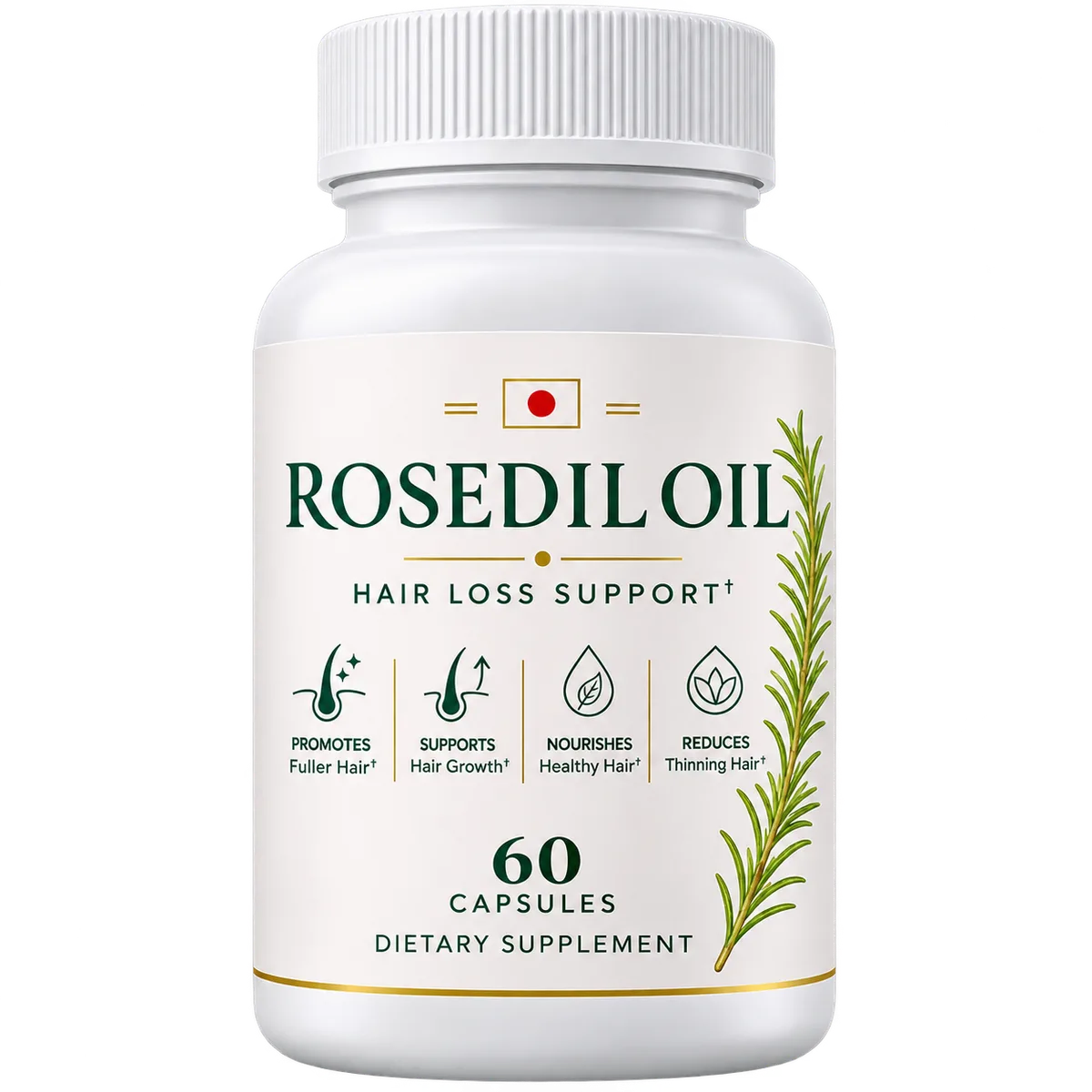
Rosedil contains eight ingredients: five B-vitamins, two minerals, and one botanical extract. All are found naturally in food and have established safety profiles. But “natural” doesn’t mean “no cautions” — doses matter, drug interactions exist, and certain populations need to be more careful. Here’s the honest breakdown of what could happen and who should talk to a doctor first.
Quick Verdict: Rosedil has a low side-effect profile for most healthy adults. The two main cautions are: (1) Biotin at 4,620 mcg can interfere with certain blood tests — always tell your doctor you’re taking it before lab work. (2) Zinc at 12 mg can cause mild nausea if taken on an empty stomach — take it with food. Beyond that, the formula uses well-studied nutrients at moderate doses.
The Most Common Side Effect: Mild Digestive Discomfort
The most frequently reported side effect across vitamin and mineral supplements is mild nausea or stomach upset when taken on an empty stomach. This applies to Rosedil primarily because of the Zinc content (12 mg). Zinc is better absorbed and better tolerated when taken with a meal.
What to do: Take Rosedil with food. If you experience persistent stomach discomfort even with food, try taking it with your largest meal of the day. If discomfort continues beyond the first week, discontinue use and consult your healthcare provider.
Biotin & Lab Test Interference
This is the most important safety consideration with Rosedil. Biotin at high doses (including the 4,620 mcg in Rosedil) can interfere with immunoassay blood tests — a type of test used to measure hormones, cardiac markers, and other biomarkers.
What it affects:
• Thyroid tests (TSH, T3, T4) — Biotin can cause falsely elevated thyroid hormone levels and falsely decreased TSH, potentially leading to a misdiagnosis of hyperthyroidism.
• Cardiac markers (troponin) — Biotin can cause falsely decreased troponin levels, which is particularly dangerous because troponin is used to diagnose heart attacks.
• Other tests — Vitamin D, PSA, ferritin, and certain hormone panels can also be affected.
Critical: Always inform your doctor and the lab technician that you are taking a biotin supplement before any blood work. The FDA issued a safety communication in 2017 about biotin interference with lab tests. The standard recommendation is to stop biotin supplementation 48–72 hours before blood draws. This is not a side effect of the supplement — it’s an interference with the testing methodology — but it’s essential to be aware of.
Zinc: Dosing & Upper Limits
Rosedil contains 12 mg of Zinc (109% DV). The tolerable upper intake level (UL) for zinc is 40 mg per day for adults. At 12 mg, Rosedil is well within safe limits — but if you’re also taking a multivitamin or other zinc-containing supplement, the total could add up.
Signs of excessive zinc intake: Nausea, vomiting, diarrhea, headache, and reduced appetite. Long-term excessive zinc intake (above 40 mg daily for weeks) can impair copper absorption, potentially leading to copper deficiency.
What to do: Check the zinc content of any other supplements you take. If the total exceeds 30–35 mg daily, talk to your doctor about whether to adjust.
Vitamin C: Generally Safe, One Caution
At 157 mg, Rosedil’s Vitamin C dose is well below the tolerable upper limit of 2,000 mg. Side effects from Vitamin C supplementation (digestive discomfort, diarrhea) typically begin at 1,000+ mg doses. At 157 mg, side effects are extremely unlikely.
One caution: Individuals with a history of kidney stones (particularly calcium oxalate stones) should be aware that high Vitamin C intake can increase oxalate excretion. At 157 mg, this is unlikely to be clinically significant, but mention it to your doctor if you have a history of kidney stones.
Horsetail Extract: Botanical Cautions
Horsetail Extract (25 mg) is the only botanical ingredient in Rosedil. While generally considered safe at moderate doses, it carries a few specific cautions:
• Thiamine depletion: Horsetail contains an enzyme (thiaminase) that can break down thiamine (Vitamin B1). With long-term, high-dose use, this could theoretically contribute to B1 deficiency. At 25 mg, this risk is minimal, but individuals with existing B1 deficiency or alcohol use disorder should be aware.
• Diuretic effect: Horsetail has mild diuretic properties. If you take prescription diuretics or medications affected by fluid/electrolyte balance, consult your doctor.
• Pregnancy and breastfeeding: Insufficient safety data exists for Horsetail Extract in pregnant or breastfeeding women. Avoid during pregnancy unless cleared by your OB-GYN.
Medication Interactions
The following drug interactions are worth noting:
• Antibiotics (tetracyclines, quinolones): Zinc and Calcium can reduce the absorption of these antibiotics. Separate doses by at least 2 hours.
• Thyroid medication (levothyroxine): Calcium and Zinc can interfere with absorption. Take Rosedil at least 4 hours apart from thyroid medication.
• Blood thinners (warfarin): Vitamin C at high doses can affect warfarin metabolism. At 157 mg, the effect is likely minimal, but inform your doctor.
• Oral contraceptives: Vitamin C may increase estrogen levels when taken alongside hormonal birth control. At 157 mg, this is unlikely to be clinically significant.
• Diuretics: Horsetail’s mild diuretic effect could compound with prescription diuretics, increasing the risk of dehydration or electrolyte imbalance.
• Immunosuppressants: Zinc supports immune function, which could theoretically counteract immunosuppressive therapy. Consult your doctor.
General rule: If you take any prescription medication, show your doctor the Rosedil ingredient list before starting. The interactions above are not dangerous at Rosedil’s doses for most people, but your doctor needs to know what you’re taking.
Who Should Avoid Rosedil
• Pregnant or breastfeeding women — until cleared by their doctor (Horsetail Extract lacks safety data for this population).
• Children under 18 — the formula is designed for adults and doses may not be appropriate.
• Anyone with a known allergy to any ingredient listed on the label.
• People with severe kidney disease — impaired mineral excretion could make even moderate Zinc and Calcium doses problematic.
• Vegetarians/vegans who avoid gelatin — the capsule is gelatin-based.
Frequently Asked Questions
Does Rosedil have side effects?
Most users report no side effects. The most common potential issue is mild nausea from Zinc if taken on an empty stomach. Take Rosedil with food to minimize this. High-dose Biotin can interfere with certain lab tests — always inform your doctor before blood work.
Can I take Rosedil with other medications?
Zinc and Calcium can reduce the absorption of antibiotics and thyroid medications — separate dosing by 2–4 hours. Consult your doctor if you take blood thinners, immunosuppressants, diuretics, or any prescription medication.
Is Rosedil safe during pregnancy?
While the vitamins and minerals are generally safe, Horsetail Extract has not been adequately studied in pregnant or breastfeeding women. Consult your OB-GYN before taking any new supplement during pregnancy.