
Synaptigen Ingredients: Probiotic Strains & the Gut-Brain Connection
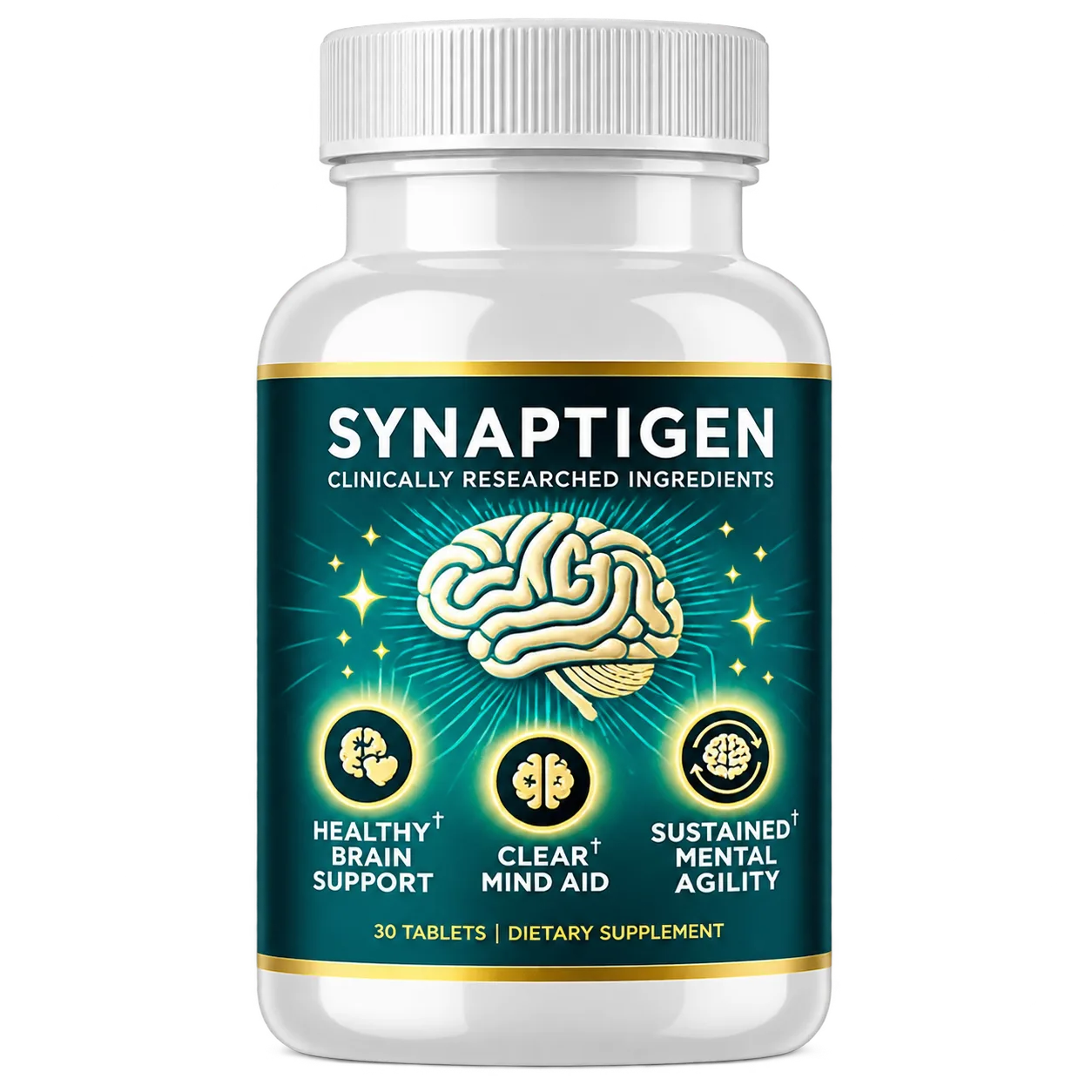
Quick take: Synaptigen combines three probiotic strains with published gut-brain research, prebiotic fiber, B vitamins, and Lion’s Mane mushroom — a well-designed formula that covers multiple pathways to cognitive support. Each ingredient has its own research base, and the combination makes mechanistic sense. The money-back guarantee lets you evaluate the formula personally without financial risk.
The Probiotic Strains
Lactobacillus rhamnosus — The most studied probiotic strain for gut-brain communication. A landmark 2011 study published in the Proceedings of the National Academy of Sciences (Bravo et al.) demonstrated that L. rhamnosus altered GABA receptor expression in the brain and reduced anxiety- and depression-related behaviors in mice. Critically, these effects disappeared when the vagus nerve was severed — confirming that the gut was communicating with the brain through this specific neural pathway.
The research is promising but comes with caveats: the Bravo study used L. rhamnosus JB-1, a specific strain designation. Whether the strain in Synaptigen matches the one studied depends on what the product label says. Strain identity matters in probiotics — two different L. rhamnosus strains can have very different effects.
Bifidobacterium longum — A 2016 randomized, double-blind, placebo-controlled trial (Allen et al.) found that B. longum 1714 reduced subjective stress levels and improved memory performance in healthy volunteers. This is one of the stronger human studies in the probiotic-cognition space because it used a proper RCT design with healthy adults, not just animal models.
B. longum has also been studied for its anti-inflammatory properties in the gut, which may contribute to reduced neuroinflammation through the gut-brain axis. Chronic low-grade inflammation is increasingly linked to cognitive decline and brain fog.
Lactobacillus plantarum — Research on L. plantarum focuses on its production of short-chain fatty acids (SCFAs), particularly butyrate. SCFAs play a critical role in maintaining the integrity of both the gut lining and the blood-brain barrier. A compromised blood-brain barrier allows inflammatory molecules to reach the brain more easily, contributing to neuroinflammation.
Some studies have examined L. plantarum’s effects on cognitive function in older adults, with preliminary results showing improvements in attention and memory tasks. However, these studies are small-scale and need replication.
Prebiotic Fiber (FOS / Inulin)
Fructooligosaccharides (FOS) and inulin serve as food for the probiotic bacteria, supporting their survival and colonization in the gut. Think of prebiotics as fertilizer for the probiotic garden. Without adequate prebiotic support, probiotic strains may not establish themselves effectively.
Prebiotics have also been studied independently for cognitive effects. A 2015 study (Schmidt et al.) found that galactooligosaccharide (GOS) supplementation reduced cortisol awakening response — a marker of stress — and shifted attention toward positive stimuli in healthy volunteers.
B Vitamins (B6, B12, Folate)
These are essential cofactors for neurotransmitter synthesis. Your body uses B6 to convert amino acids into serotonin, dopamine, and GABA — the neurotransmitters most associated with mood, focus, and calm. B12 deficiency is independently linked to cognitive decline, particularly in older adults. Folate works alongside B12 in methylation cycles that support overall brain function.
The inclusion of B vitamins alongside probiotics makes mechanistic sense: even if the probiotic strains successfully signal for increased neurotransmitter production, the body still needs these cofactors to actually produce the neurotransmitters.
Lion’s Mane Mushroom Extract
Lion’s Mane (Hericium erinaceus) contains two unique compounds — hericenones and erinacines — that may stimulate the production of nerve growth factor (NGF). NGF supports the growth, maintenance, and survival of neurons. A 2009 double-blind, placebo-controlled trial (Mori et al.) in older Japanese adults with mild cognitive impairment showed significant improvement in cognitive function scores after 16 weeks of Lion’s Mane supplementation. Scores declined after supplementation stopped.
Lion’s Mane adds a complementary mechanism to the probiotic approach: while the probiotics target cognition through the gut-brain axis, Lion’s Mane targets it through direct neurotrophic support.
Worth knowing: Probiotic efficacy is strain-specific. The Synaptigen product label provides specific strain designations and CFU counts, letting you match the formula to published research. Most studied probiotic doses range from 1–10 billion CFU per day. The money-back guarantee gives you a risk-free window to evaluate the formula personally.
Frequently Asked Questions
What probiotic strains are in Synaptigen?
Synaptigen contains Lactobacillus rhamnosus, Bifidobacterium longum, and Lactobacillus plantarum — three strains with published research on gut-brain communication. Exact strain designations and CFU counts should be verified on the product label.
Does Synaptigen contain stimulants or caffeine?
No. The formula is stimulant-free and caffeine-free. It contains probiotics, prebiotic fiber, B vitamins, and Lion’s Mane mushroom extract. No synthetic compounds or nootropic stimulants.
Why does the specific probiotic strain matter?
Probiotic efficacy is strain-specific. A Lactobacillus rhamnosus that showed results in a study may differ from one in a commercial product. The strain designation determines which research applies. CFU count also matters — most studied doses range from 1 to 10 billion CFU per day.