
How Long Does Synaptigen Take to Work? Timeline & What to Expect
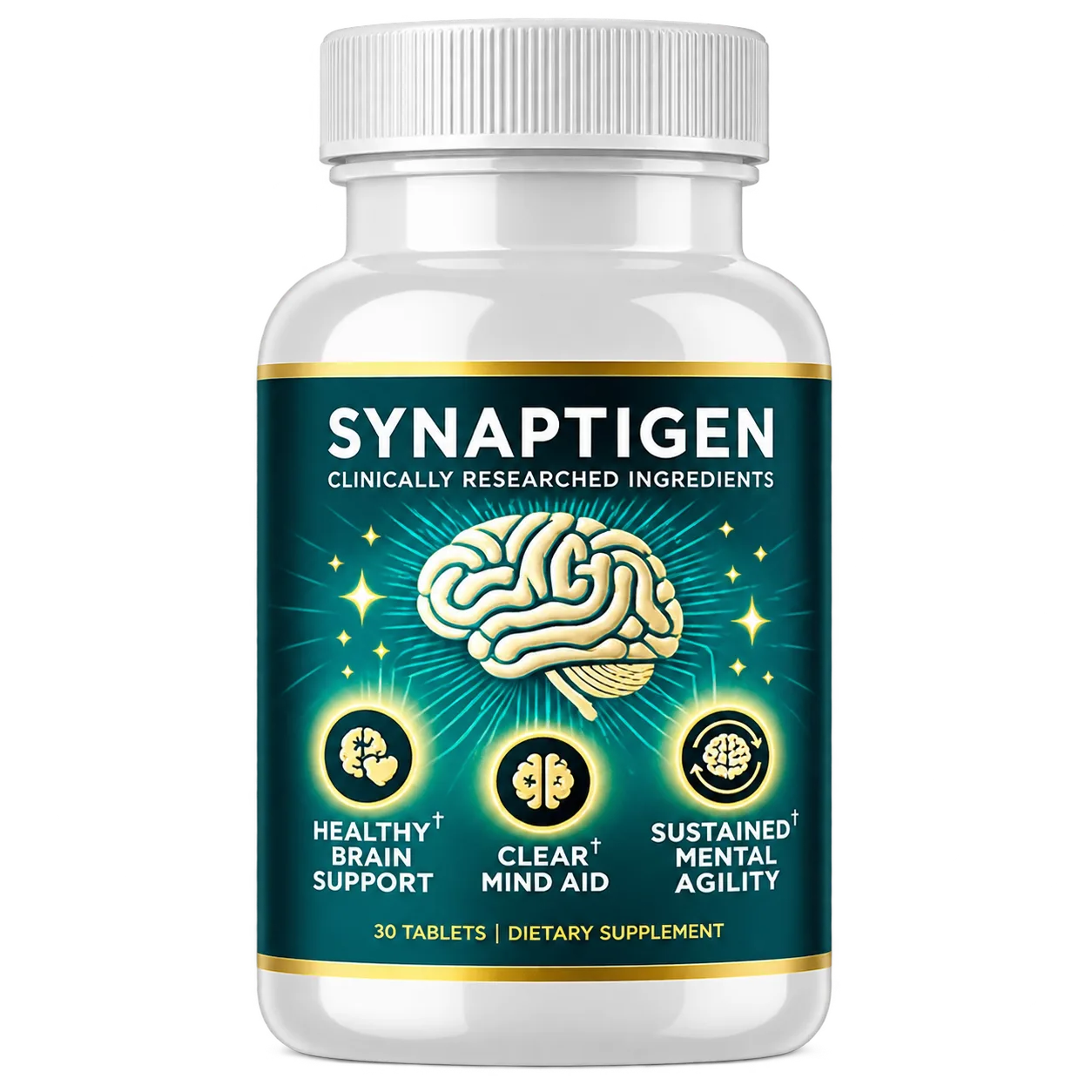
Quick take: Expect 4–12 weeks of consistent daily use before evaluating cognitive effects. Probiotic colonization takes 2–4 weeks, then gut-brain signaling needs additional time to influence brain chemistry. This is fundamentally different from stimulant-based nootropics that work in hours.
Week 1–2: Initial Colonization
What’s happening: The probiotic strains in Synaptigen are entering your digestive system and beginning to establish themselves in your gut microbiome. They are competing with existing bacteria for space and resources. The prebiotic fiber (FOS/inulin) provides food to support their survival.
What you may notice: Mild digestive changes are common during this phase — temporary bloating, slight changes in bowel habits, or increased gas. These are signs that your microbiome is adjusting to the new bacteria. These effects typically resolve within 1–2 weeks.
Cognitive changes: None expected at this stage. The probiotic strains have not yet established themselves well enough to influence gut-brain signaling.
Week 2–4: Establishing the Microbiome Shift
What’s happening: The probiotic strains are beginning to colonize more effectively. They are starting to produce metabolites — including short-chain fatty acids (SCFAs) and neurotransmitter precursors — that influence both gut health and the gut-brain axis. The B vitamins are supporting the metabolic pathways that convert these precursors into active neurotransmitters.
What you may notice: Digestive adjustment effects should be resolving. Some people report improved digestion, more regular bowel movements, or reduced bloating. These are early signs that the probiotic colonization is taking effect.
Cognitive changes: Minimal to none for most people. Some may notice subtle improvements in mood stability or stress response, as serotonin production in the gut (where ~95% of the body’s serotonin is made) begins to shift.
Week 4–8: Gut-Brain Signaling Begins
What’s happening: This is when the gut-brain axis communication becomes more established. The vagus nerve is carrying signals from the gut to the brain. Neuroinflammation levels may be decreasing as the gut lining strengthens and microbial balance improves. Lion’s Mane compounds (hericenones and erinacines) are supporting nerve growth factor production.
What you may notice: This is the window where cognitive changes may become perceptible. Improved mental clarity, better word recall, longer focus periods, or reduced afternoon brain fog. The changes are typically subtle and gradual — not a dramatic shift, but a steady improvement.
Important: Individual response varies significantly. Factors include your baseline gut health, diet, sleep quality, stress levels, and existing microbiome composition. Not everyone will notice changes at the same point in this timeline.
Week 8–12: Full Evaluation Period
What’s happening: The microbiome shift is well-established. The gut-brain signaling pathways have had time to mature. Neuroinflammation reduction, neurotransmitter production, and blood-brain barrier integrity improvements are at their fullest effect from the probiotic approach.
What you may notice: If Synaptigen is going to produce noticeable cognitive benefits for you, they should be apparent by this point. Compare your current mental clarity, focus, and stress resilience to where you were 12 weeks ago.
Decision point: This is when you can fairly evaluate whether the gut-brain probiotic approach is working for you. If you don’t notice meaningful improvement after 12 weeks of consistent use, the approach may not be the right fit for your biology.
Why Probiotics Are Slower Than Nootropics
Traditional nootropics (caffeine, racetams, adaptogens) deliver active compounds directly to the brain or bloodstream. The effects can be felt within minutes to hours because the chemical is acting directly on brain receptors.
Probiotics work through an entirely different mechanism:
Step 1: Live bacteria must survive stomach acid and reach the intestines.
Step 2: They must establish themselves among trillions of existing bacteria.
Step 3: They must shift the microbial balance enough to change metabolite production.
Step 4: Those metabolites must signal through the vagus nerve to the brain.
Step 5: The brain must respond to those signals with changes in neurotransmitter activity.
Each step takes time. The total chain from ingestion to cognitive effect involves biological processes that simply cannot be rushed. This is the fundamental trade-off of the probiotic approach: slower onset, but potentially more systemic and sustainable support.
How to Track Your Progress
✓ Keep a simple daily log: rate your mental clarity, focus, and mood on a 1–10 scale
✓ Note digestive changes (these may appear before cognitive changes)
✓ Compare weekly averages, not individual days
✓ Take the supplement at the same time each day for consistency
✓ Don’t change other supplements or major habits during the evaluation period
✓ Set a calendar reminder at week 4, 8, and 12 to review your log
Give it a fair trial. The money-back guarantee covers a generous evaluation window. Use that time wisely — 8–12 weeks of consistent daily use gives the probiotic approach the best chance to show results. If it doesn’t deliver by then, the guarantee has you covered.
Frequently Asked Questions
How long does Synaptigen take to work?
Probiotic colonization begins within 1–2 weeks. Gut-brain signaling changes may become noticeable at 4–8 weeks. The full evaluation period is 8–12 weeks of consistent daily use.
Why do probiotics take longer than nootropics?
Nootropics deliver compounds directly to the brain. Probiotics must first colonize the gut, shift the microbiome, and then influence brain chemistry through the vagus nerve. This biological chain takes weeks, not hours.
How do I know if Synaptigen is working?
Track mental clarity, focus duration, and stress resilience daily. Digestive improvements may appear first. Compare weekly averages over 8–12 weeks. If no meaningful change by week 12, the approach may not suit your biology.