
Melonex Side Effects: What You Need to Know Before Taking It
Blood pressure interactions, headache risk, digestive effects, and who should avoid this nitric oxide supplement.
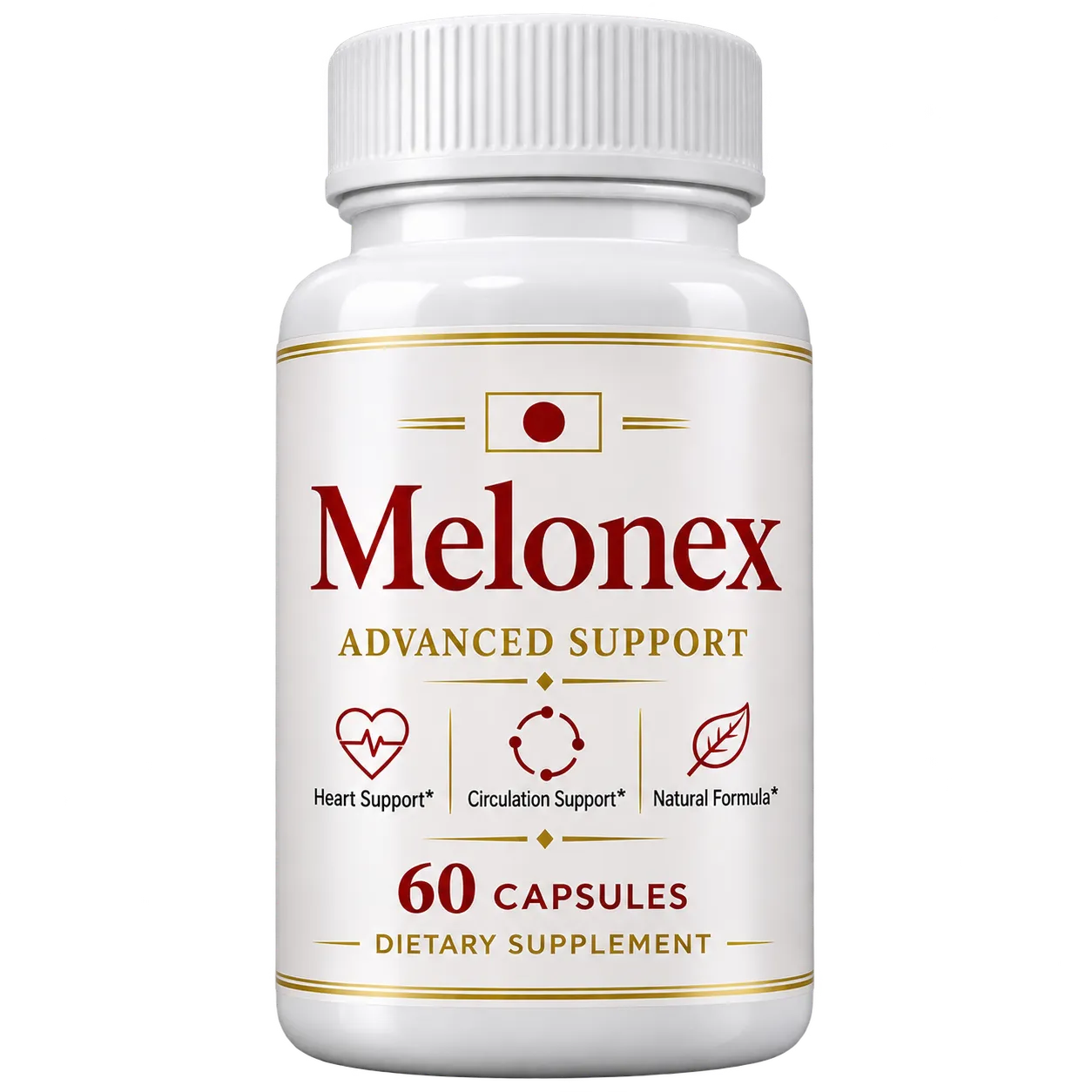
Melonex contains three amino acids — L-Citrulline DL-Malate, L-Arginine AAKG, and L-Arginine HCL — all targeting nitric oxide production. These are naturally occurring compounds that your body already produces, which generally means a well-tolerated safety profile. As with any supplement that supports cardiovascular function, there are a few considerations worth knowing about before you start.
Quick Safety Summary: Melonex has a clean safety profile — stimulant-free, hormone-free, and made from naturally occurring amino acids your body already produces. Most people tolerate it well. The key consideration is potential interaction with cardiovascular medications (blood pressure drugs, PDE5 inhibitors, blood thinners) — consult your doctor if you take any of these. The 60-day money-back guarantee lets you evaluate risk-free.
Common Side Effects
Based on published research on L-Arginine and L-Citrulline supplementation, the most commonly reported side effects include:
Headache. The most frequently reported effect. Increased nitric oxide dilates blood vessels throughout the body, including in the head. This vasodilation can cause mild to moderate headache, particularly during the first few days of use. The effect typically resolves as the body adjusts. If headaches persist beyond the first week, consider reducing to one capsule daily or discontinuing.
Digestive discomfort. Some users report mild nausea, bloating, or diarrhea. L-Arginine in particular has been associated with gastrointestinal effects at higher doses (above 3,000mg). At Melonex's modest 500–1,000mg daily dose, digestive effects are less likely but still possible in sensitive individuals. Taking the capsule with food may reduce these symptoms.
Flushing or warmth. Increased blood flow can produce a temporary sensation of warmth or flushing in the face, ears, or extremities. This is a direct result of vasodilation and is generally harmless, though it can be startling if unexpected.
Dizziness or lightheadedness. Particularly if you stand up quickly after sitting or lying down. Increased NO can temporarily lower blood pressure, and positional changes may amplify this effect. Stay hydrated and change positions gradually.
Serious Medication Interactions
Critical warning: If you take ANY cardiovascular medication, talk to your doctor before using Melonex. The nitric oxide pathway directly affects blood pressure and blood vessel function — the same systems these medications target.
Blood pressure medication (antihypertensives). L-Arginine and L-Citrulline promote nitric oxide production, which relaxes blood vessels and may lower blood pressure. If you already take medication that lowers blood pressure (ACE inhibitors, ARBs, calcium channel blockers, beta-blockers, diuretics), adding a NO-boosting supplement could cause blood pressure to drop excessively. Symptoms of hypotension include dizziness, fainting, blurred vision, and fatigue.
PDE5 inhibitors (Viagra, Cialis, Levitra). PDE5 inhibitors also work through the nitric oxide pathway. Combining them with NO-boosting supplements can amplify the blood pressure-lowering effect. This combination has been flagged in medical literature as potentially dangerous.
Blood thinners and anticoagulants. L-Arginine may have mild antiplatelet effects. While this is unlikely to cause problems at Melonex's modest dose, combining it with warfarin, heparin, or other anticoagulants could theoretically increase bleeding risk. Inform your doctor if you take blood thinners.
Nitrates (nitroglycerin). Nitrate medications directly increase nitric oxide. Adding supplemental NO precursors on top of nitrates could cause dangerous drops in blood pressure. Do not combine Melonex with nitrate medications without medical supervision.
Who Should Avoid Melonex
✗ People taking blood pressure medication, PDE5 inhibitors, nitrates, or blood thinners — consult your doctor first
✗ People with hypotension (chronically low blood pressure) — NO-boosting supplements may lower it further
✗ People with active herpes outbreaks — L-Arginine has been associated with herpes reactivation in some research, as the virus may use arginine for replication
✗ People scheduled for surgery within 2 weeks — discontinue due to potential blood pressure and bleeding effects
✗ Pregnant or nursing women — insufficient safety data
✗ Anyone under 18
✗ People with kidney disease — amino acid metabolism involves the kidneys; impaired kidney function may affect processing
What Melonex Does NOT Contain
Understanding what's absent from the formula is as important as knowing what's in it:
✓ No stimulants — no caffeine, no synephrine, no yohimbine
✓ No hormones — no testosterone, no DHEA, no synthetic hormones
✓ No botanical extracts — no herbs that could cause unexpected interactions
✓ No prescription-drug compounds — amino acids only
✓ No common allergens listed — vegetarian HPMC capsule
The simplicity of the formula — three amino acids and standard inactive ingredients — means fewer variables for potential side effects or interactions compared to supplements with 15+ ingredients.
Frequently Asked Questions
Can I take Melonex with blood pressure medication?
Consult your doctor first. L-Arginine and L-Citrulline promote nitric oxide production, which relaxes blood vessels and may lower blood pressure. Combining them with antihypertensive medications could cause blood pressure to drop too low, leading to dizziness, fainting, or lightheadedness.
Does Melonex cause headaches?
Headache is the most commonly reported side effect of nitric oxide-boosting supplements. Increased NO dilates blood vessels, including those in the head. Headaches are typically mild and temporary, often resolving within the first few days of use.
Is Melonex safe for daily use?
For most healthy adults not taking cardiovascular medication, Melonex's amino acid formula is generally well-tolerated at the recommended dose. However, long-term safety data for this specific product does not exist. If you experience persistent side effects, discontinue and consult a healthcare professional.
Melonex is a dietary supplement and has not been evaluated by the FDA. Not intended to diagnose, treat, cure, or prevent any disease.