
Nervecept vs Quiet Nerves: Which Nerve Supplement Is Right for You?
Ingredients, dose transparency, allergens, and guarantee compared side by side so you can make an informed choice.
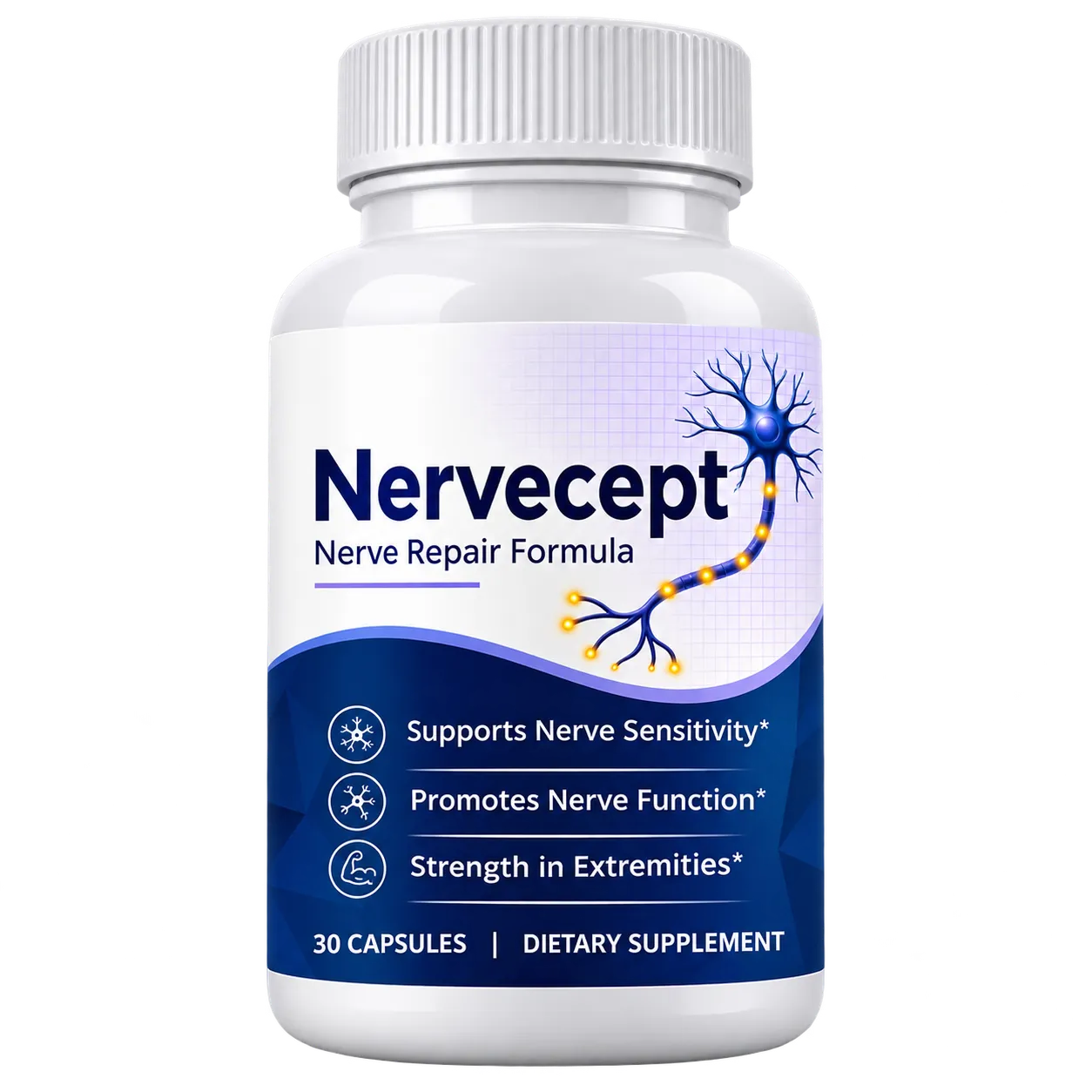
Both Nervecept and Quiet Nerves target nerve health and comfort, but they take fundamentally different approaches. Nervecept uses 8 anti-inflammatory and joint-support ingredients with every dose disclosed on the label. Quiet Nerves packs 11 ingredients into a 600mg proprietary blend targeting nerve signaling, circulation, and cognitive support — but without disclosing individual amounts.
Here’s a clear side-by-side breakdown to help you decide which one fits your situation better.
Summary: Choose Nervecept if you want full dose transparency, a Glucosamine-based anti-inflammatory approach, and want to know exactly what you’re getting. Choose Quiet Nerves if you prefer a broader formula with B vitamins and nootropic herbs for nerve signaling and circulation. Important: Nervecept contains shellfish (crayfish) — if you have a shellfish allergy, Quiet Nerves is the safer choice.
Side-by-Side Comparison
| Nervecept | Quiet Nerves | |
|---|---|---|
| Format | Capsules (daily) | Capsules (1 daily before meal) |
| Number of ingredients | 8 ingredients | 11 ingredients |
| Dose transparency | All 8 individual doses disclosed on label | Proprietary blend — individual doses not disclosed (600mg total) |
| Primary approach | Anti-inflammatory & joint support (Glucosamine, Boswellia, Turmeric) | Nerve signaling & circulation (Bacopa, Ginkgo, B Vitamins) |
| Lead ingredient | Glucosamine Sulfate (500mg) | Unknown (proprietary blend) |
| Allergens | Contains shellfish (crayfish) | No shellfish listed |
| Caffeine | None | Possible (Green Tea Extract, not specified if decaf) |
| Money-back guarantee | Check official site for details | 60-day satisfaction promise |
| Subscription | One-time purchase | One-time purchase, no auto-billing |
| Drug interactions | Turmeric & Boswellia: blood thinners | Ginkgo Biloba: blood thinners, seizure, diabetes, BP meds |
Where Nervecept Has an Edge
Full dose transparency. Every one of Nervecept’s 8 ingredients has its exact amount printed on the label: Glucosamine Sulfate 500mg, Boswellia Serrata Extract 67mg, Turmeric Root Extract 50mg, Chondroitin Sulfate 50mg, and four more at 8mg each. You can compare these directly against published research doses. With Quiet Nerves, the entire 11-ingredient formula shares a single 600mg blend — you cannot determine how much of any individual ingredient you’re getting.
Glucosamine-based approach with clinical backing. Glucosamine Sulfate is one of the most-studied joint and nerve support compounds, with decades of published research on its role in joint cartilage and nerve comfort. At 500mg, Nervecept’s lead ingredient is dosed within the range used in clinical studies. This gives evidence-focused buyers a concrete reference point.
Boswellia + Turmeric synergy. Both are well-researched anti-inflammatory botanicals. Boswellia Serrata (boswellic acids) and Turmeric (curcuminoids) have been studied individually and in combination for joint and nerve comfort. Having both in one formula with disclosed doses is a meaningful differentiator.
No caffeine. Nervecept contains zero caffeine, making it suitable for anyone who is sensitive to stimulants or who already consumes caffeine from other sources. Quiet Nerves includes Green Tea Extract that may contain caffeine.
Where Quiet Nerves Has an Edge
No shellfish allergens. This is the most important differentiator for anyone with a shellfish allergy. Nervecept’s lead ingredient (Glucosamine Sulfate) is derived from crayfish. If you have a shellfish allergy, Nervecept is not an option — Quiet Nerves is the clear choice.
B vitamins for nerve function. Quiet Nerves includes Vitamin B6 and Vitamin B12, both essential for nerve function and myelin maintenance. B12 deficiency in particular is a well-documented factor in peripheral neuropathy. Nervecept does not contain B vitamins.
Broader cognitive support. Bacopa Monnieri and Ginkgo Biloba target cognitive function and cerebral circulation — areas beyond pure joint and nerve comfort. If your nerve issues affect focus and mental clarity, this broader approach may be relevant.
60-day satisfaction promise. Quiet Nerves explicitly offers a 60-day satisfaction promise. Nervecept’s guarantee terms should be verified on the official site before purchasing.
Which One Should You Choose?
Choose Nervecept if:
• Dose transparency is a priority — you want to see every ingredient amount on the label
• You prefer a Glucosamine-based anti-inflammatory approach backed by decades of research
• You have no shellfish allergy
• You want zero caffeine in your nerve supplement
Choose Quiet Nerves if:
• You have a shellfish allergy (Nervecept contains crayfish-derived Glucosamine)
• You want B vitamins (B6, B12) for nerve and myelin support
• Cognitive support (Bacopa, Ginkgo) alongside nerve comfort matters to you
• You value the explicit 60-day satisfaction promise
Both products are dietary supplements, not medications. Neither replaces medical evaluation for persistent nerve conditions. If you’re unsure which approach is right for your situation, speaking with a healthcare professional is always a reasonable step.
Frequently Asked Questions
What is the main difference between Nervecept and Quiet Nerves?
Nervecept uses 8 ingredients with all doses disclosed on the label, targeting nerve comfort through anti-inflammatory pathways (Glucosamine, Boswellia, Turmeric). Quiet Nerves uses 11 ingredients in a proprietary blend targeting nerve signaling, circulation, and cognitive support (Bacopa, Ginkgo, B Vitamins). Nervecept contains shellfish; Quiet Nerves does not.
Which has more transparent dosing?
Nervecept. All 8 ingredient amounts are individually listed on the label. Quiet Nerves groups 11 ingredients in a single 600mg proprietary blend with no individual amounts disclosed.
Can I take either if I have a shellfish allergy?
Not Nervecept — it contains Glucosamine Sulfate derived from crayfish (shellfish). Quiet Nerves does not list shellfish allergens on its label and may be a safer option, but always check the full label and consult your doctor if you have severe allergies.