MindSave Ingredients: The Full 8-Compound Breakdown
Eight nootropic compounds targeting memory, focus, and neuroprotection through multiple cognitive pathways.
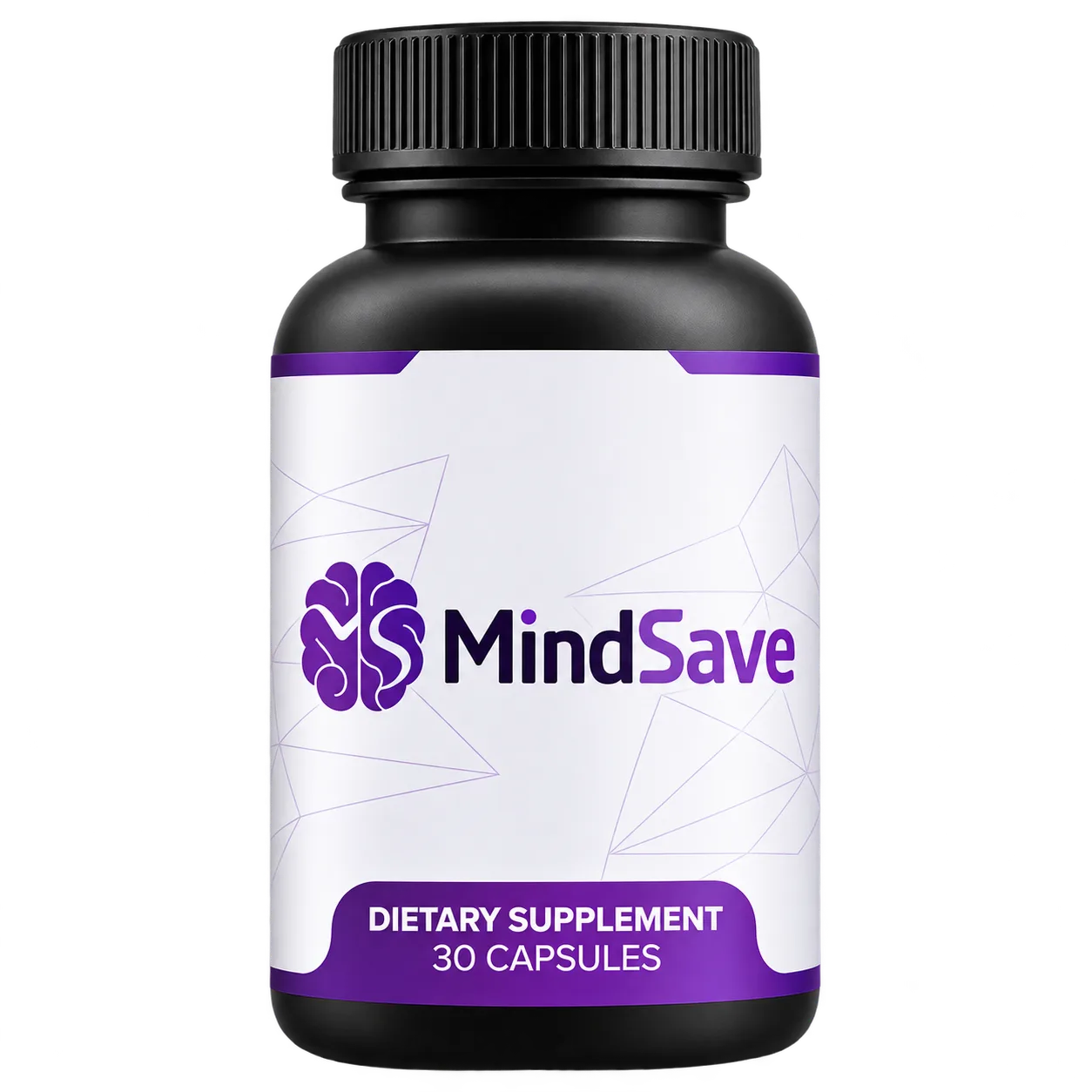
MindSave takes a multi-pathway approach to cognitive support: eight compounds targeting different aspects of brain health, from neurotransmitter production to neuroprotection to cerebral blood flow. Unlike single-ingredient nootropics, this formula attempts to address several mechanisms simultaneously. Here's the full breakdown of what's inside and what the research says about each compound.
Quick Verdict: A well-constructed formula combining Bacopa Monnieri (strongest clinical evidence), Lion's Mane, Ginkgo Biloba, Phosphatidylserine, B12, DHA, Huperzine A, and Alpha-GPC. All eight ingredients have genuine published research for cognitive support, targeting memory, focus, and neuroprotection through multiple pathways. The 60-day money-back guarantee lets you evaluate the formula personally without financial risk.
How the Formula Targets Cognitive Function
The eight ingredients in MindSave work through four primary mechanisms:
1. Neurotransmitter support — Alpha-GPC and Huperzine A both target the acetylcholine system, the neurotransmitter most directly associated with memory formation and recall. Alpha-GPC provides choline (a precursor to acetylcholine), while Huperzine A inhibits the enzyme that breaks acetylcholine down.
2. Neuroprotection — Lion's Mane Mushroom stimulates nerve growth factor (NGF) production, which supports the growth and maintenance of neurons. Phosphatidylserine is a structural component of brain cell membranes.
3. Cerebral blood flow — Ginkgo Biloba has been studied for its effects on microcirculation in the brain. Improved blood flow means better delivery of oxygen and nutrients to brain cells.
4. Foundational nutrients — Vitamin B12 and DHA (an omega-3 fatty acid) are essential for nervous system function. Deficiency in either is associated with cognitive decline.
Ingredient #1: Bacopa Monnieri
What it is: An herb used in traditional Ayurvedic medicine for centuries, now one of the most-studied natural nootropics. Its active compounds, bacosides, are believed to support synaptic communication and antioxidant activity in the brain.
Published research: Bacopa Monnieri has the strongest clinical evidence of any ingredient in MindSave. Multiple randomized, double-blind, placebo-controlled trials — the gold standard — have examined its effects on memory and cognitive processing. A 2014 meta-analysis of 9 RCTs found that Bacopa supplementation improved attention, cognitive processing speed, and working memory. Most positive studies used 300–600mg of extract standardized to 50% bacosides, taken daily for at least 12 weeks.
Key detail: Bacopa's effects are not immediate. Studies consistently show that benefits emerge after 8–12 weeks of daily use. Short-term studies (under 6 weeks) generally show no significant improvement over placebo.
Ingredient #2: Lion's Mane Mushroom
What it is: Hericium erinaceus, an edible medicinal mushroom that contains two unique compounds — hericenones and erinacines — that can stimulate nerve growth factor (NGF) production. NGF is a protein critical for the growth, maintenance, and survival of neurons.
Published research: Animal studies on Lion's Mane are promising, showing increased NGF production and improved cognitive performance in mice. Human research is more limited. A 2009 Japanese study found that older adults with mild cognitive impairment who took 3,000mg of Lion's Mane daily for 16 weeks showed significantly improved cognitive function compared to placebo. However, benefits disappeared 4 weeks after discontinuation. More recent studies are exploring its potential for mood support and neuroprotection.
Important context: While the NGF mechanism is well-established in laboratory settings, the human evidence is still preliminary. Larger, longer-duration clinical trials are needed to confirm the cognitive benefits seen in smaller studies.
Ingredient #3: Ginkgo Biloba
What it is: Extract from one of the oldest living tree species, standardized for two active compound groups: flavone glycosides and terpene lactones. It has been used in traditional Chinese medicine and is one of the most widely studied herbal supplements globally.
Published research: Ginkgo Biloba has the most extensive (and most debated) research base of any herbal nootropic. The largest trial, the GEM study (2008), enrolled over 3,000 participants aged 75+ and found no benefit for preventing dementia over 6 years. However, smaller studies in younger adults and in people with existing mild cognitive impairment have shown modest improvements in memory and processing speed. A 2010 meta-analysis found a small but statistically significant effect on cognitive function, particularly attention and memory.
The debate: The research is genuinely mixed. Studies using standardized EGb 761 extract at 240mg daily tend to show the most positive results. Lower doses and non-standardized extracts show weaker or no effects.
Ingredient #4: Phosphatidylserine
What it is: A phospholipid that makes up about 15% of the brain's total phospholipid pool. It plays a structural role in cell membranes and is involved in cell signaling, particularly in neurons.
Published research: The FDA has permitted two qualified health claims for phosphatidylserine: one related to cognitive dysfunction and one related to dementia, both noting that "very limited and preliminary" research suggests a relationship. Studies using 100–300mg daily have shown modest improvements in memory and cognitive function in older adults with age-related cognitive decline. A 2015 review found that phosphatidylserine supplementation may improve memory, particularly in people with early cognitive decline.
Source matters: Early studies used bovine-derived phosphatidylserine. Modern supplements (including MindSave, presumably) use soy-derived or sunflower-derived forms, which have somewhat less clinical data but are considered safer.
Ingredient #5: Vitamin B12 (Methylcobalamin)
What it is: An essential B vitamin required for nervous system function, DNA synthesis, and red blood cell production. The methylcobalamin form is the most bioactive and doesn't require conversion by the body.
Published research: B12 deficiency is well-established as a cause of cognitive impairment, fatigue, and neurological symptoms. Up to 15% of adults over 60 are B12 deficient. Supplementation clearly helps people who are deficient. The question is whether supplementation benefits people with adequate B12 levels — research suggests it does not. B12 supplementation is most useful for people over 50, vegans/vegetarians, and anyone with absorption issues.
Key point: If your B12 levels are already normal, additional supplementation is unlikely to improve cognitive function. If you're deficient, correcting the deficiency can produce significant improvements.
Ingredient #6: DHA (Docosahexaenoic Acid)
What it is: An omega-3 fatty acid that constitutes approximately 40% of the polyunsaturated fatty acids in the brain. It is structurally important for brain cell membranes and plays a role in neurotransmission and neuroprotection.
Published research: DHA is one of the most-studied nutrients for brain health. Observational studies consistently link higher DHA intake to lower rates of cognitive decline. However, intervention trials have produced mixed results. A 2012 Cochrane review found that omega-3 supplementation did not improve cognitive function in healthy older adults without existing deficiency. Studies in people with mild cognitive impairment or low baseline omega-3 levels show more promising results.
Practical note: Most positive studies used DHA doses of 500–1,000mg daily. The amount in MindSave's formula is not publicly disclosed, and it may be below therapeutic levels given the capsule format.
Ingredient #7: Huperzine A
What it is: A compound extracted from Chinese club moss (Huperzia serrata). It works as an acetylcholinesterase inhibitor — meaning it blocks the enzyme that breaks down acetylcholine, effectively increasing available acetylcholine in the brain.
Published research: Several Chinese clinical trials have examined Huperzine A for cognitive improvement. A 2008 Cochrane review found that Huperzine A may have some beneficial effects on cognitive function in people with Alzheimer's disease, but noted that the quality of included trials was generally poor. Doses in studies ranged from 200–400mcg daily. It is approved as a drug for Alzheimer's treatment in China but sold as a dietary supplement in the US.
Important: Because Huperzine A shares a mechanism of action with prescription cholinesterase inhibitors (donepezil, rivastigmine, galantamine), it should NOT be combined with these medications without medical supervision. If you or a family member takes medication for Alzheimer's or dementia, consult a doctor before using MindSave.
Ingredient #8: Alpha-GPC
What it is: Alpha-glycerophosphocholine, a choline compound that crosses the blood-brain barrier efficiently. It provides choline, the direct precursor to acetylcholine, and also contributes to phospholipid synthesis in brain cell membranes.
Published research: Alpha-GPC has been studied primarily in European clinical trials for age-related cognitive decline and dementia. A 2003 Italian study found improvements in cognitive function in patients with mild to moderate Alzheimer's disease using 1,200mg daily. For general cognitive enhancement in healthy adults, the evidence is more limited. Sports nutrition studies have used 300–600mg for its potential effects on power output and growth hormone.
Synergy with Huperzine A: Alpha-GPC provides more raw material (choline) for acetylcholine production, while Huperzine A slows acetylcholine breakdown. This two-pronged approach to boosting acetylcholine is a common strategy in nootropic formulas.
The Dosing Question
Like many multi-ingredient nootropics, MindSave uses a proprietary formula. For context, here are the doses typically used in published research for each ingredient:
| Ingredient | Studied Dose | Primary Role |
|---|---|---|
| Bacopa Monnieri | 300–600mg/day | Memory, processing speed |
| Lion's Mane | 1,000–3,000mg/day | NGF production, neuroprotection |
| Ginkgo Biloba | 120–240mg/day | Cerebral blood flow |
| Phosphatidylserine | 100–300mg/day | Cell membrane support |
| Vitamin B12 | 500–1,000mcg/day | Nervous system function |
| DHA | 500–1,000mg/day | Brain structure, neurotransmission |
| Huperzine A | 200–400mcg/day | Acetylcholinesterase inhibition |
| Alpha-GPC | 300–1,200mg/day | Choline supply, ACh production |
The money-back guarantee lets you evaluate whether the formula delivers real-world results for you — ultimately the most meaningful test of any nootropic.
Worth knowing: The product label lists specific ingredient amounts. When your order arrives, you can compare each dose against the research table above. The money-back guarantee means you’re covered either way.
Stimulant-free. No caffeine. No synthetic compounds. No prescription-drug ingredients.
Frequently Asked Questions
What are the ingredients in MindSave?
Eight compounds targeting cognitive function: Bacopa Monnieri, Lion's Mane Mushroom, Ginkgo Biloba, Phosphatidylserine, Vitamin B12, DHA (Omega-3), Huperzine A, and Alpha-GPC. The formula addresses memory, focus, and neuroprotection through multiple pathways.
Does MindSave contain stimulants?
No. MindSave does not contain caffeine, amphetamines, or synthetic stimulants. The cognitive support comes from nootropic compounds and nutrients that support neurotransmitter production and brain cell health rather than stimulation.
Which ingredient has the most research?
Bacopa Monnieri has the strongest clinical evidence, with multiple 12-week randomized controlled trials showing improvements in memory and processing speed. Ginkgo Biloba also has extensive research, though results are mixed across studies.
MindSave is a dietary supplement and has not been evaluated by the FDA. Not intended to diagnose, treat, cure, or prevent any disease. Consult a healthcare professional before use, especially if you take medications for cognitive or neurological conditions.