
Horsewood Tongkat Ali: 1000mg or 10mg?
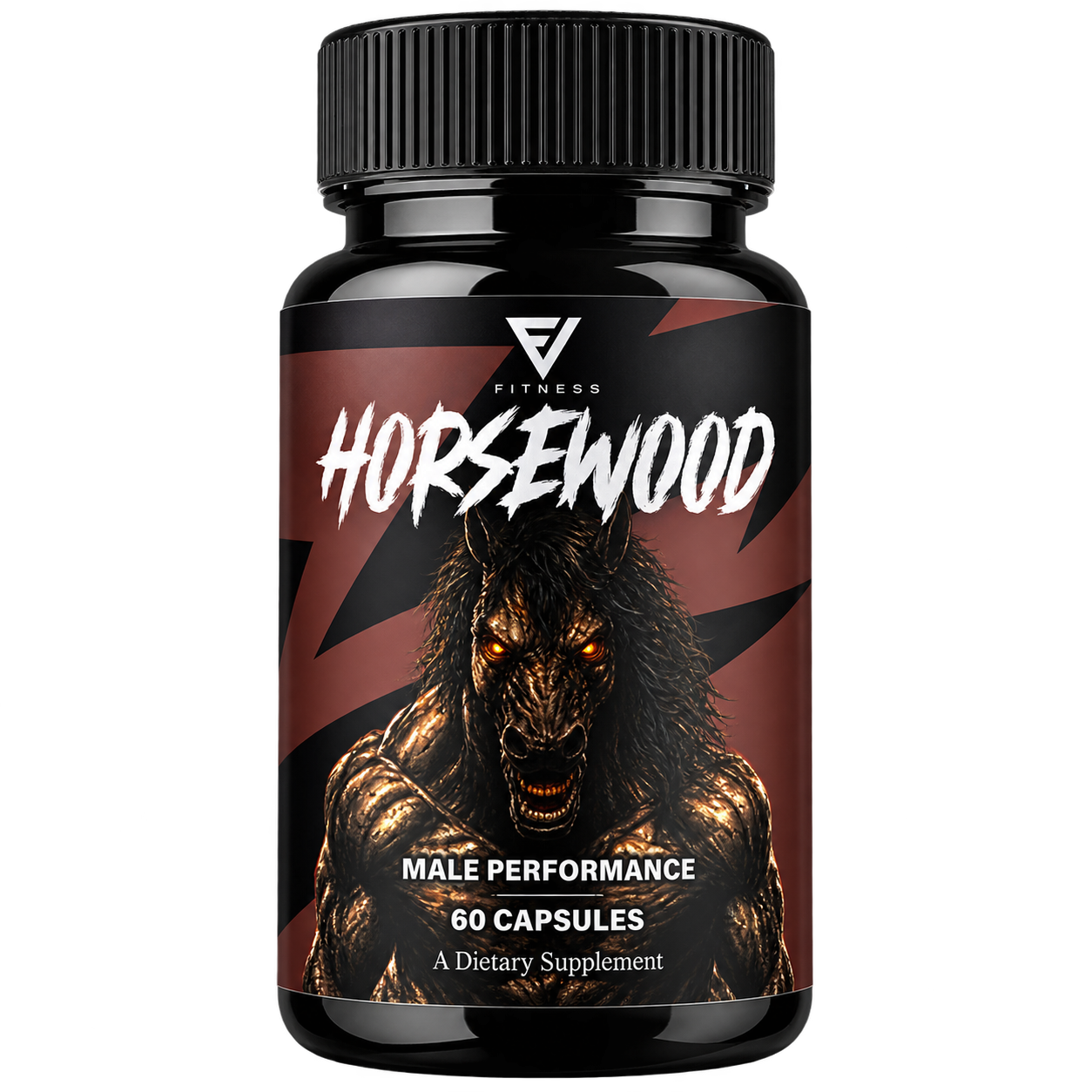
"1000mg Tongkat Ali" is the headline number in Horsewood's marketing. It appears on the sales page, in the FAQ, and across affiliate reviews. But the Supplement Facts label tells a different story: 10mg of a 100:1 extract. Here's how those two numbers relate — and whether the actual amount matters.
Quick answer: Horsewood contains 10mg of Tongkat Ali in a 100:1 concentrated extract form. The "1000mg" figure is the estimated equivalent of dried root before extraction. The physical amount in each capsule is 10mg. Published research typically uses 200-400mg of standardized extract. Whether 10mg of a highly concentrated extract produces comparable effects has not been established.
How the Math Works
Concentration ratios describe how much raw material was used to produce the final extract. A 100:1 ratio means 100 grams of dried Tongkat Ali root were processed to yield 1 gram of extract. So 10mg of 100:1 extract started as roughly 1,000mg of raw root.
The manufacturer presents this as "1000mg equivalent" — which is mathematically accurate in terms of the starting material. But the number most consumers see is "1000mg," and most consumers interpret that as 1,000 milligrams of Tongkat Ali in the capsule. The actual physical content is 10mg.
How It Compares to Research
Published research on Tongkat Ali (Eurycoma longifolia) uses a range of preparations:
Standardized extract: most studies use 200-400mg of standardized extract (typically standardized to eurycomanone content). This is the form most standalone Tongkat Ali supplements sell.
Concentrated extract: higher concentration ratios (100:1, 200:1) contain more active compounds per milligram — but the total active content depends on what the extract is standardized to, which Horsewood does not disclose.
The missing piece: Horsewood discloses the concentration ratio (100:1) but not what the extract is standardized to (eurycomanone percentage, for example). Without that, you can't compare the actual active compound content to published research. Two 100:1 extracts from different manufacturers can have very different potencies depending on the raw material quality and extraction process.
What This Means for You
10mg of a genuinely high-quality 100:1 extract may deliver meaningful active compounds. Or it may not — without standardization data, there's no way to confirm from the label alone. What's certain: the "1000mg" number is a marketing presentation designed to look impressive, not a dosage fact. If Tongkat Ali is the reason you're considering Horsewood, understand that you're getting 10mg of extract — and decide based on that number, not the marketing one.
Read the Full Horsewood Review →Frequently Asked Questions
Does Horsewood really have 1000mg of Tongkat Ali?
No. It contains 10mg of a 100:1 extract. "1000mg" is the estimated equivalent of dried root before concentration — not the physical amount in the capsule.
Is 10mg of 100:1 extract enough?
Unclear. Research uses 200-400mg of standardized extract. Whether 10mg of a highly concentrated form produces comparable effects hasn't been established. The extract's standardization (active compound percentage) is not disclosed.
How does this compare to standalone Tongkat Ali?
Most standalone Tongkat Ali supplements contain 200-400mg of standardized extract per capsule — significantly more than Horsewood's 10mg. If Tongkat Ali is your primary interest, a standalone supplement gives you a published, higher dose.
Horsewood is a dietary supplement and has not been evaluated by the FDA. Not intended to diagnose, treat, cure, or prevent any disease.