
Gelagen vs Collagen Peptides: Which Is Better for Skin?
Two different approaches to skin health — we compared ingredients, mechanism, price, and real-world expectations side by side.
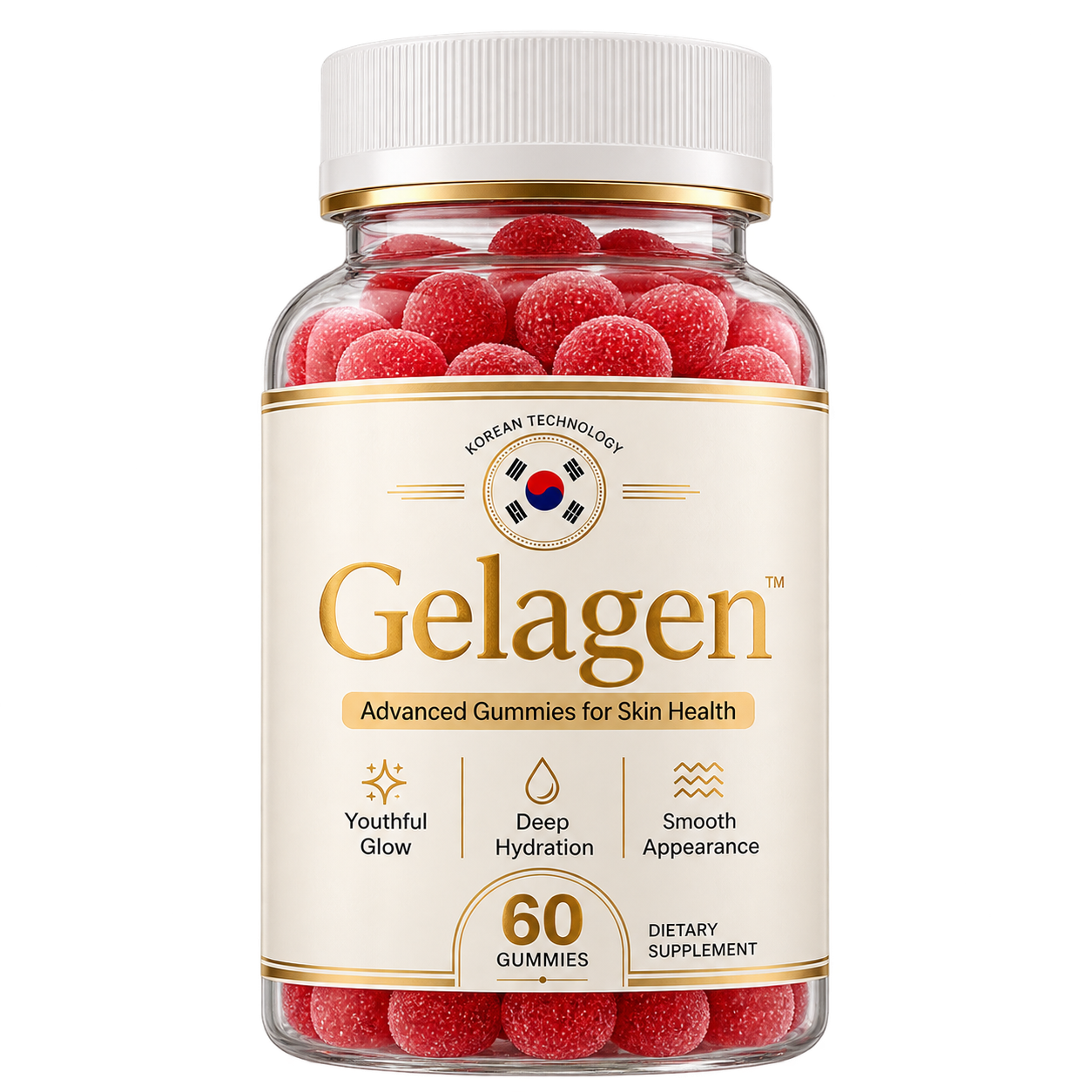
Both Gelagen and collagen peptides are marketed for skin health, but they work in fundamentally different ways. Gelagen is a gummy supplement containing 13 vitamins and minerals — Biotin at 5,000 mcg being the centerpiece — that support your body’s own collagen production process. Collagen peptides are a powder or capsule supplement that delivers pre-formed collagen proteins, primarily Types I and III, directly.
Neither approach is inherently “better.” The right choice depends on what you are actually trying to accomplish and how you want to take a supplement each day.
Quick Verdict: Gelagen is a better fit if you want broad skin, hair, and nail support in a convenient gummy form. Collagen peptides are better if your primary goal is joint support or if you want direct collagen amino acids. Many users take both simultaneously without issue.
How Each One Works
Gelagen’s approach: cofactor supplementation. Your body synthesizes collagen constantly, but it needs specific nutrients to do it. Vitamin C is a required cofactor in the hydroxylation step of collagen production. Zinc supports collagen cross-linking. Vitamin A influences skin cell turnover. Biotin supports keratin, the structural protein in hair and nails. Gelagen supplies all of these in a single gummy serving — not collagen itself, but the building blocks your body uses to maintain collagen production.
Collagen peptides’ approach: direct amino acid delivery. Collagen peptides are hydrolyzed collagen — collagen broken down into smaller peptides that are easier to absorb. When you take them, you are supplying glycine, proline, and hydroxyproline: the amino acids that make up collagen fibers. Research suggests that oral collagen peptides can reach the skin and may stimulate fibroblast activity, though results vary by dose and study design.
Side-by-Side Comparison
| Category | Gelagen | Collagen Peptides |
|---|---|---|
| Primary mechanism | Nutritional cofactors for collagen synthesis | Direct collagen amino acid delivery |
| Key ingredients | Biotin 5,000 mcg, Vitamins A/C/D/E, Zinc, B-complex (13 total) | Hydrolyzed Type I & III collagen peptides (typically 10–20g/serving) |
| Form | Gummy (2 per day) | Powder, capsule, or liquid |
| Label transparency | Full — all 13 doses disclosed | Varies by brand |
| Hair & nail support | Included (Biotin 5,000 mcg) | Not primary purpose |
| Joint support | Not primary purpose | More targeted |
| Price range | ~$49/month | $20–$60/month (brand dependent) |
| Guarantee | 60-day money-back | Varies by brand |
| Taste/convenience | Flavored gummy — no mixing | Powder requires mixing; capsules are neutral |
| Veggie-friendly | Yes (pectin-based) | No — collagen is animal-derived |
Who Should Choose Gelagen
Gelagen is a better fit if you want a convenient, all-in-one gummy that covers skin, hair, and nail support in a single product. The formula’s strength is breadth: 13 nutrients that each play a documented role in skin or structural protein health.
It is also the better choice if you prefer vegetarian-friendly options. Gelagen uses a pectin gummy base instead of gelatin, so there is no animal-derived collagen in the product.
The 60-day money-back guarantee means you can trial a full two-month course without financial risk, which is relevant because skin supplements typically require 6–8 weeks before results become visible.
Who Should Choose Collagen Peptides
Collagen peptides are better suited if your primary concern is joint health, gut lining support, or you specifically want to supply the amino acids that form collagen fibers. Athletes and people with joint discomfort more often reach for collagen peptides because the evidence for joint support (Type II collagen, specifically) is reasonably well-developed.
Collagen peptides are also the right choice if you are already getting adequate levels of vitamins and minerals through diet or a separate multivitamin and want to add a targeted collagen-specific supplement on top of that.
Can You Take Both Together?
Yes. There are no known interactions between Gelagen and collagen peptides, and the two supplements address slightly different aspects of skin and connective tissue health. Gelagen handles the vitamin and mineral cofactor side; collagen peptides handle the amino acid side. Some people use both together as a comprehensive skin health stack. The main consideration is cost and whether both fit your supplement budget.
Frequently Asked Questions
Is Gelagen better than collagen peptides?
It depends on your goal. Gelagen focuses on the nutrients your body needs to produce and support its own collagen — Biotin, Vitamins A, C, D, E, Zinc, and B-complex. Collagen peptides supply pre-formed collagen proteins directly. Gelagen is better for broad skin, hair, and nail support; collagen peptides may suit those targeting joint or structural collagen specifically.
Can you take Gelagen and collagen peptides together?
Yes, they can be used together without issue. Gelagen provides cofactors involved in collagen synthesis; collagen peptides supply additional amino acids. There are no known interactions.
Does Gelagen contain collagen?
No. Gelagen does not contain collagen peptides. Its formula centers on Biotin (5,000 mcg) and 12 additional vitamins and minerals that support skin, hair, and nail health through nutritional cofactors rather than direct collagen supplementation.
Which is cheaper, Gelagen or collagen peptides?
Gelagen starts at around $49 per bottle for a 30-day supply. Quality collagen peptides powders range from $20–$60 per month. Per serving, costs are broadly comparable, but Gelagen includes 13 nutrients vs. collagen peptides which primarily supply collagen-specific amino acids.
Gelagen is a dietary supplement and has not been evaluated by the FDA. Not intended to diagnose, treat, cure, or prevent any disease.
Official support: contact@customercs.com · +1 (507) 448-8190