
Geladjin Side Effects: What You Need to Know
ACV acidity, tooth enamel, stomach sensitivity, and medication interactions — the complete safety profile for Geladjin gummies.
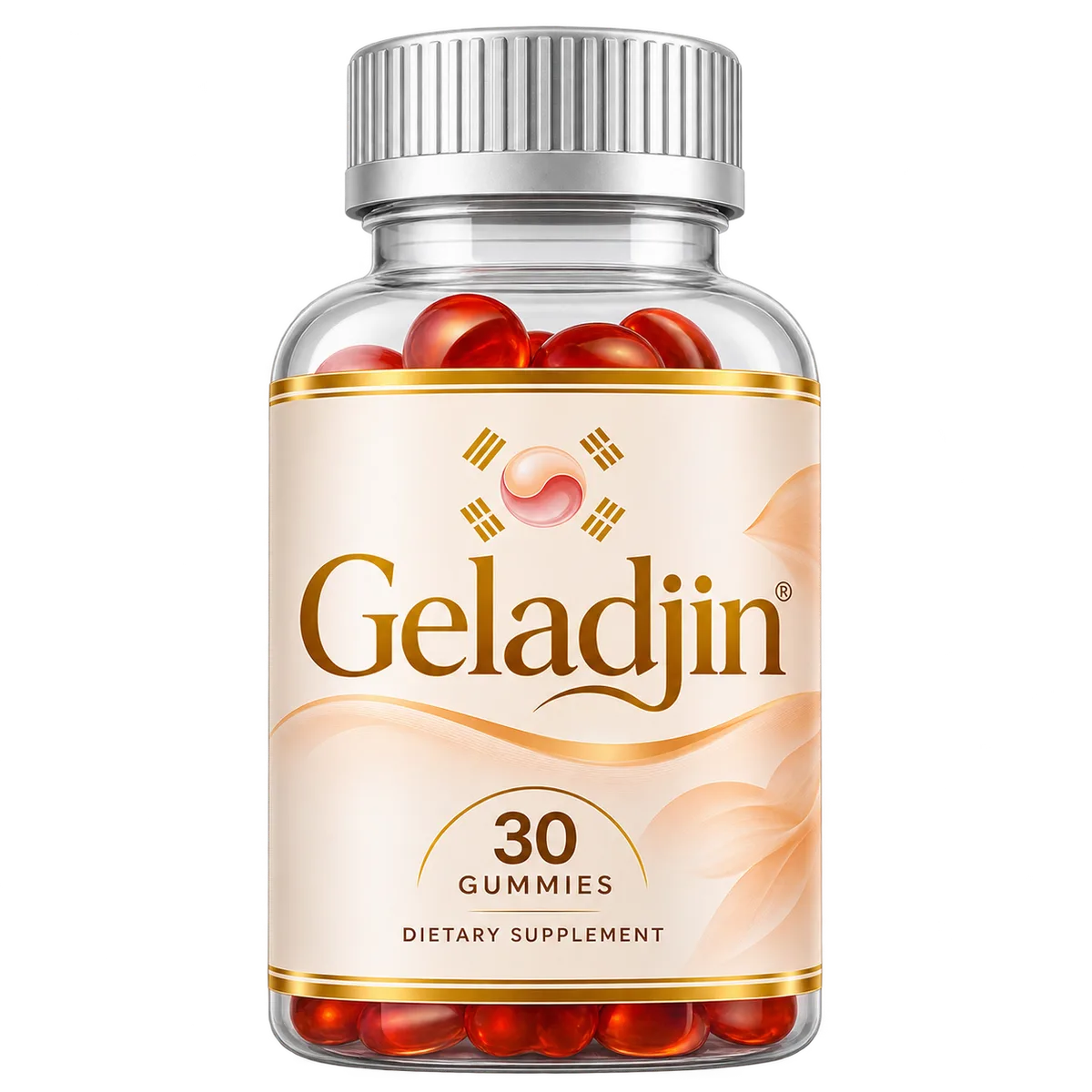
Geladjin contains no stimulants, no laxatives, and no synthetic compounds. Its active ingredients — apple cider vinegar and ginger root extract — are food-derived and generally well-tolerated. However, both have interactions and precautions worth knowing before you start. Here's the full safety breakdown.
Quick Safety Summary: Geladjin's gummy format reduces the two biggest risks of liquid ACV (tooth enamel erosion and throat/stomach irritation). The main precautions are for people taking diabetes medication or blood thinners. For most healthy adults, side effects are mild and uncommon. The 60-day guarantee lets you stop if anything feels off.
Stomach Sensitivity
Apple cider vinegar contains acetic acid, which can irritate the stomach lining in some people. This is the most commonly reported side effect of ACV products in general.
In liquid form: Undiluted ACV (pH 2.5–3.0) directly contacts the esophagus and stomach lining, causing nausea, indigestion, or burning sensations in sensitive individuals. This is why many people can't tolerate drinking it.
In gummy form: The acetic acid is buffered within the gummy matrix (pectin, tapioca syrup), which significantly reduces direct acid contact. The gummy dissolves gradually in the stomach rather than hitting the lining as a concentrated liquid.
What to do: Take your Geladjin gummy with or after a meal. Food buffers stomach acid and reduces the chance of discomfort. If you experience persistent nausea or stomach pain, discontinue and consult your doctor.
Tooth Enamel
Liquid ACV is well-documented to erode tooth enamel with regular use. A 2014 study in Clinical Laboratory found that apple cider vinegar caused significant enamel loss after 4 hours of exposure in a lab setting. This is one of the primary reasons ACV gummies were developed — to deliver the benefits without the dental risk.
Gummy advantage: Since Geladjin encapsulates the ACV within a chewable matrix, the acetic acid spends minimal time in contact with tooth surfaces. The risk is dramatically lower than sipping or swishing liquid ACV.
Best practice: Chew the gummy normally and swallow. Don't hold it against your teeth or let it dissolve slowly in your mouth. If you're concerned, rinse with water after taking it.
Blood Sugar Medication Interactions
This is the most important precaution for Geladjin. Both apple cider vinegar and ginger may lower blood sugar levels through different mechanisms:
ACV and blood sugar: Acetic acid has been shown to slow gastric emptying and reduce the glycemic response to carbohydrate-rich meals. Multiple studies confirm this effect. If you take insulin or oral diabetes medications (metformin, sulfonylureas, etc.), adding ACV could cause blood sugar to drop too low.
Ginger and blood sugar: Some studies suggest ginger may enhance insulin sensitivity and lower fasting blood glucose. The effect is generally modest, but combined with ACV and diabetes medication, it could amplify blood sugar reduction.
What to do: If you take any diabetes medication, consult your doctor before starting Geladjin. If cleared, monitor your blood sugar more frequently during the first few weeks to establish your new baseline.
Important: This is not a theoretical concern. ACV's blood sugar effects are among its most consistently demonstrated properties in clinical research. If you manage your blood sugar with medication, a doctor's input is essential before adding Geladjin.
Blood Thinners and Anticoagulants
Ginger root extract has mild antiplatelet properties. Research has shown that gingerols can inhibit thromboxane formation, which affects how blood platelets aggregate.
If you take warfarin, aspirin, clopidogrel, or other blood thinners, the additive antiplatelet effect could increase bleeding risk. The clinical significance at typical supplement doses is debated, but the precaution is standard.
What to do: Consult your healthcare provider before combining Geladjin with any blood-thinning medication. Discontinue Geladjin at least 2 weeks before any scheduled surgery.
Acid Reflux and GERD
The relationship between ACV and acid reflux is complicated. Some people report that ACV helps with reflux symptoms (the theory being that it supports stomach acid production in people who have too little). Others find it worsens symptoms by adding more acid to an already irritated esophagus.
If you take proton pump inhibitors (omeprazole, pantoprazole) or H2 blockers (famotidine, ranitidine) for GERD or acid reflux, adding an acidic supplement may work against your medication.
What to do: If you have diagnosed GERD or take acid-suppressing medication, discuss with your doctor before adding Geladjin. If you try it and notice worsening heartburn, discontinue.
Potassium Levels
There are case reports of excessive ACV consumption lowering potassium levels (hypokalemia). This is typically associated with very high daily intake of liquid ACV over extended periods, not typical supplement doses. However, if you take diuretics or other medications that affect potassium, this interaction is worth mentioning to your doctor.
Who Should Avoid Geladjin
• People taking insulin or oral diabetes medications without medical supervision
• People on blood thinners or anticoagulants without medical clearance
• People with active stomach ulcers or severe erosive gastritis
• Anyone scheduled for surgery within 2 weeks
• Children under 18
• Women who are pregnant or nursing (without medical advice)
• Anyone with a known allergy to apple, ginger, or any listed ingredient
What Geladjin does NOT contain: No stimulants, no caffeine, no laxatives, no synthetic compounds, no gelatin (uses pectin). For most healthy adults without the above conditions, Geladjin's side effect profile is mild.
Frequently Asked Questions
Does Geladjin cause stomach problems?
Apple cider vinegar is acidic and may cause mild stomach discomfort in some people, especially on an empty stomach. The gummy format reduces this compared to liquid ACV. Taking with food minimizes any sensitivity.
Can I take Geladjin with diabetes medication?
Consult your doctor first. Both apple cider vinegar and ginger may lower blood sugar levels. Combining with insulin or oral diabetes medications could cause hypoglycemia. Monitor your blood sugar closely.
Does Geladjin damage tooth enamel?
Liquid ACV erodes tooth enamel over time. The gummy format significantly reduces this risk since the ACV is encapsulated rather than contacting teeth as a liquid. Chew and swallow normally.